Could Managing Four Common Health Conditions Slow Cognitive Decline from Alzheimer’s?
Alzheimer’s disease isn’t always the only health condition a person faces, so how does treating other diseases impact the progression of Alzheimer’s? Researchers at the University of Arizona focused on four common health conditions – type two diabetes, hypertension, inflammation and dyslipidemia – which are known to increase the risk of developing Alzheimer’s disease, and set out to investigate whether those diagnosed with Alzheimer’s who received treatments for these four conditions also saw a delay in cognitive decline. Dr. Barb Bendlin joins the podcast to break down the findings from this research, as well as discuss the impact of personalized prevention strategies and combination therapies.
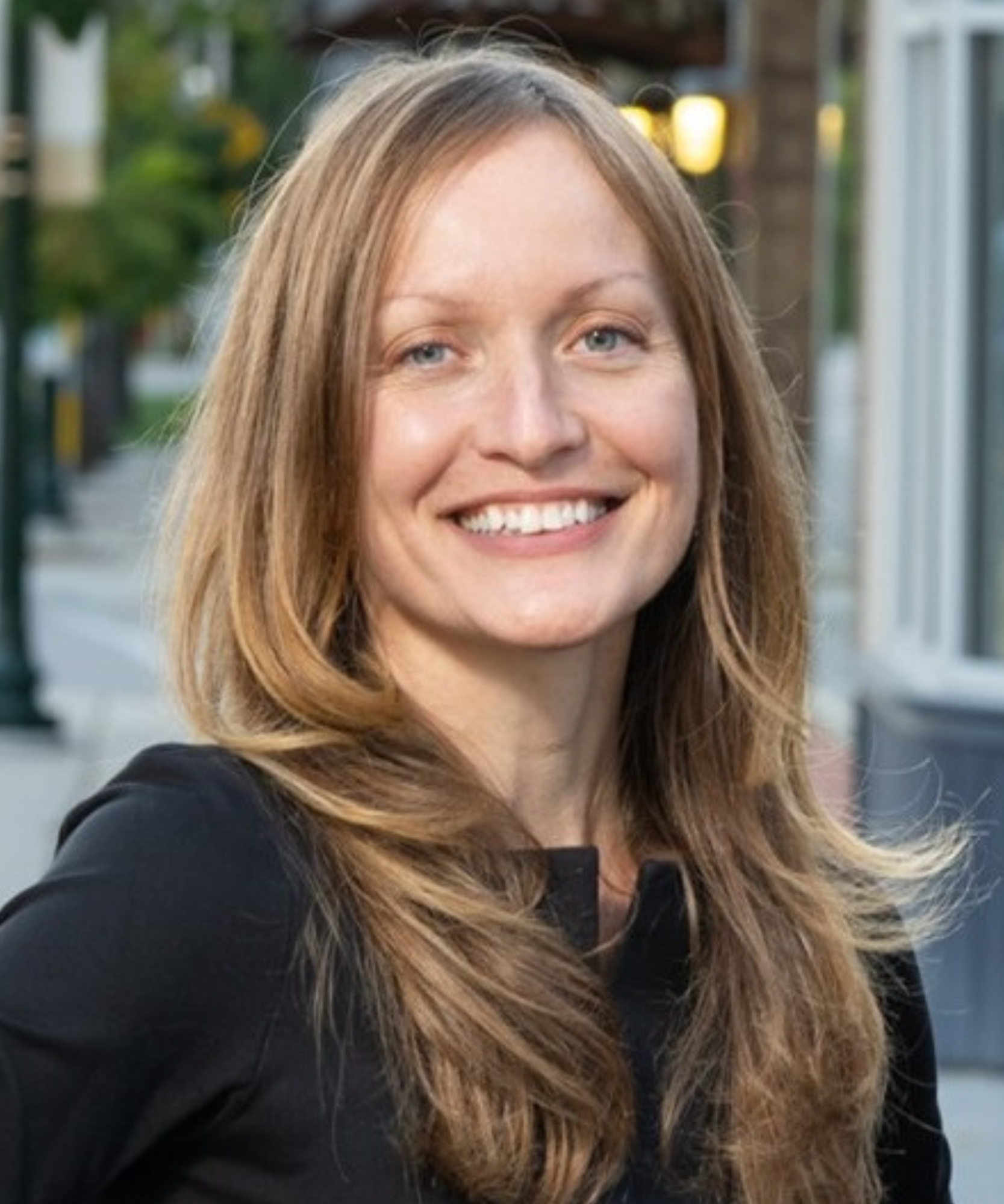
Guest: Barbara Bendlin, PhD, professor, Division of Geriatrics and Gerontology, University of Wisconsin (UW) School of Medicine and Public Health, deputy director, UW Center for Health Disparities Research (CHDR)
Show Notes
Read the study, “Combination therapy targeting Alzheimer’s disease risk factors is associated with a significant delay in Alzheimer’s disease–related cognitive decline,” published by Alzheimer’s & Dementia: Translational Research & Clinical Interventions on the Alzheimer’s Association’s website.
Read more about the study in the article “Four Key Pieces Managing Common Health Conditions Slows Alzheimer’s Progression,” published on the National Alzheimer’s Coordinating Center’s website.
Learn more about Dr. Bendlin from her profile on the UW Center for Health Disparities Research website.
Connect with us
Find transcripts and more at our website.
Email Dementia Matters: dementiamatters@medicine.wisc.edu
Follow us on Facebook and Twitter.
Subscribe to the Wisconsin Alzheimer’s Disease Research Center’s e-newsletter.
Enjoy Dementia Matters? Consider making a gift to the Dementia Matters fund through the UW Initiative to End Alzheimer’s. All donations go toward outreach and production.
Learn about and pre-order Dr. Chin’s book, When Memory Fades: What to Expect at Every Stage, from Early Signs to Full Support for Alzheimer’s and Dementia, out June 2, 2026.
Transcript
Intro: I’m Dr. Nathaniel Chin, and you’re listening to Dementia Matters, a podcast about Alzheimer’s disease. Dementia Matters is a production of the Wisconsin Alzheimer’s Disease Research Center. Our goal is to educate listeners on the latest news in Alzheimer’s disease research and caregiver strategies. Thanks for joining us.
Dr. Nathaniel Chin: Welcome back to Dementia Matters. On the podcast, we’ve spent a lot of time delving into how other health conditions can impact a person’s risk for developing Alzheimer’s disease (AD). From vascular disease to different mental health conditions, these health factors have significant impacts on the brain and its development as it ages. Recently, a study from researchers at the University of Arizona looked at four common conditions — type 2 diabetes, hypertension, inflammation, and dyslipidemia — and found that addressing those conditions not only led to a reduced risk of developing Alzheimer’s disease, but also slowed the progression of cognitive decline for those who already were diagnosed. The study, titled “ Combination therapy targeting Alzheimer’s disease risk factors is associated with significant delay and Alzheimer’s disease-related cognitive decline,” was published in March 2025 and used data from the National Alzheimer’s Coordinating Center, known as NACC, and the Alzheimer’s Disease Neuroimaging Initiative study, known as ADNI. Joining me to discuss this study is a returning guest, Dr. Barb Bendlin. Dr. Bendlin is a professor in the Division of Geriatrics and Gerontology and deputy director at the University of Wisconsin Center for Health Disparities, as well as leader of the Research Education Component at the Wisconsin Alzheimer’s Disease Research Center. Dr. Bendlin was not an author on the study, but is a researcher focused on factors that impact trajectories of brain aging, including pre-diabetes, diet, the gut microbiome, and more, which is why I’ve asked her to help us break down what the study was looking at, what it found, and what it means for the field going forward. Welcome back to Dementia Matters, Barb.
Dr. Barb Bendlin: Thanks Nate, happy to be here.
Chin: So to begin, can you briefly explain what these four conditions are and, in case any of our listeners are unfamiliar, how common are they in the United States?
Bendlin: Sure. And actually before we start, I want to just bring up another reason why I found this study interesting, which is that I did my PhD work at the University of Arizona and that’s also where the researchers were that did this study so it’s a pleasure to discuss this project. To answer your question, the four conditions that the investigators were looking at include Type 2 diabetes, and that has been linked to increased dementia risk, particularly if it occurs in our midlife. According to the American Diabetes Association, close to 12 percent of adults in the U.S. have diabetes. If you’re looking at people who are 65 years of age and older, that goes up to 29 percent. Dyslipidemia, which means abnormal cholesterol or lipid levels — and that can include elevated LDL, low HDL, or abnormal triglycerides — approximately 40 percent of older adults have abnormal cholesterol in the United States or are using lipid-lowering medications. Hypertension or high blood pressure has also been linked to increased risk for dementia, and nearly half of U.S. adults meet criteria for hypertension. And again, if you consider older adults, the numbers go up to about 60 to 70 percent — so very, very common. With regard to inflammatory conditions, in this case they were looking at conditions that were treated with drugs like nonsteroidal anti-inflammatory drugs and other anti-inflammatory medications. One of the most common conditions would be arthritis, but there are other inflammatory conditions as well. For example, people have looked at links between asthma, which causes systemic inflammation, and also inflammatory bowel disease. Those have actually also been linked to increased risk for dementia. Those were the broad categories of things that they were looking at in this study.
Chin: Thank you for going over that, Barb. As you know — for our listeners — to measure inflammation, there’s many different ways of doing it. You do it in a certain way here in Wisconsin, but it can involve blood tests. If you’re looking at neuroinflammation, it can involve spinal fluid. Or in this case, it involves the use of medications — and that medication piece is important because we’re going to talk about that in just a minute. One of your answers, though, you’re very careful to say you’ve been diagnosed with or on treatment with. It really gets at the heart of one of the issues that I see, particularly as in science as we study this — you may not carry the diagnosis or or recognize the diagnosis, but if you’re on medication for a disease — do you have it if it’s well controlled? If you’re doing it with lifestyle and treating it, do you technically have the condition? I think that’s a struggle for us to analyze in research when it’s not always clearly laid out. But this study does attempt to do part of that with this studying of medications. I’m wondering from your perspective, why these four? Why are these four conditions so important in brain aging and disease research? What’s the connection to Alzheimer’s disease and cognition?
Bendlin: Yeah, you bring up some really good points. One of them is that these are practical ones to look at, of course. But then there are a number of studies that suggest that these conditions might be linked to increased risk for dementia. It could either be an increased risk for Alzheimer’s disease dementia, or all cause dementia. That’s kind of another point to consider is that in this study they were looking at dementia, which is the symptoms that we see in a person, as opposed to looking at the underlying biology of the disease. But there has been a long literature on looking, for example, at cardiovascular risk factors and metabolic risk factors and those have been linked to dementia risk.
Chin: One of the things I’m excited about for our conversation, Barb, is that I really want our listeners to get inside your brain as a scientist and hear what you think about when you read these articles. Now, you’ve already admitted a bias, which is that you’re from the institution from which this comes, so I’m sure there’s a slight edge there. I want to hear from you like how you read this. What is your high-level overview of what the researchers did in this study?
Bendlin: Yeah, so I can tell the listeners a little bit about what the investigators did here. They were really interested in finding out whether treatment for these conditions that we’ve already described — whether those are associated with a slower decline among people who are already diagnosed with dementia? There actually is some literature already suggesting that even once you have a diagnosis of dementia that, for example, controlling vascular risk factors slows the cognitive decline, but most of the prior studies looking specifically at control of certain conditions have been smaller. This study was quite large. What they did was they looked at existing data that was available. One of the sources of such data was from the National Alzheimer’s Coordinating Center. This comes from research participants who are enrolled at Alzheimer’s disease research centers across the United States — this is thousands of volunteers who are engaged in Alzheimer’s disease research, and they’re followed over time. What they do is they engage in memory and other cognitive testing. They do questionnaires. They provide self-report data — for example, in this study about what kinds of medications they’re taking. The investigators leveraged all this important information to study whether, you know, medication use is associated with lower or attenuated declining cognition. The nice thing that they did was that they looked at these data from the National Alzheimer’s Coordinating Center, but then they also wanted to see if the results would hold up in an independent data set. That’s where the Alzheimer’s Disease Neuroimaging Initiative study comes in. That is another large-scale project that was started in 2004. Again, research volunteers provided information, underwent memory testing, underwent brain imaging, et cetera. Here, the investigators were able to do the analysis in one data set and repeat in another. The bottom line is that they broke people into different groups based on medications for these four different conditions. People might have only had one condition treated, two, three, or four. What they find in people who are being treated for four conditions, that, in those groups of individuals, they’re showing slower cognitive decline over time. Remember, these are people who already have a diagnosis of Alzheimer’s disease.
Chin: Thank you for spending so much time going over that, Barb. As I listened to you explain it, a couple of the key takeaways that I got — trying to understand how you analyze it — you want to know who exactly was studied. Who are these participants? In this case, there are those living with dementia, but how are they being studied? Where are they being studied? How many people are actually being studied? That speaks to this idea of how reliable is the result that we’re getting. Smaller studies can still be good studies, but larger studies, obviously, there’s a little bit more confidence. Then replication, which I think is so important for our listeners to hear. The strength of this one is not only did they find this, but then they wanted to reproduce it and see if it truly was applicable to another group. And it seems like that gives you more confidence in what they’re talking about.
Bendlin: Yeah, absolutely.
Chin: So then these researchers operationalize treating these conditions via these medication categories — as you mentioned, diabetes, anti-hypertensives, lipid-lowering, and then non-steroidose to represent inflammation. They are very clever. They call the four-part combination QuadRx, so four types of treatment. What do you see as the strengths and then pitfalls of using prescriptions as a proxy for disease control?
Bendlin: Medication data is very messy to work with. I think we have to give kudos to the investigators for, first of all, being able to wrangle all of this very complicated data. It’s very hard to do. And then, they use the data that was available. So there are some caveats which are — as we mentioned already, it’s a self-report. In some ways we don’t know is the condition well treated with the medications? We don’t know how long people perhaps have been on the medications or how long they’ve had conditions. We also don’t know perhaps as much as we would like to about the people who don’t report taking any medications for conditions. We know, for example, that there are a lot of individuals that might not be aware that they have elevated blood glucose, or they might not know that they have dyslipidemia. There was actually a large-scale, national study that showed that many millions of people don’t know that they have dyslipidemia or that they might not be taking medication statins, for example. It’s very possible that many of the individuals, for example, who didn’t report taking any medications, that they might not know they have conditions. That makes it a little bit more difficult to completely fully understand what’s going on in the different groups. But all that said, I think they did a very nice job in terms of quantifying the different conditions.
Chin: That just speaks to [the fact that] we can’t be perfect, right? We can’t control everything, and we just have to be aware of that and acknowledge it and see what the signal is. As you were talking, Barb, I wrote down these notes: for those who are or are not taking the medications we don’t have a good description of their lifestyle behaviors because perhaps they’re also very active and exercising and sleeping well and doing the things that we know are helpful for some of these chronic conditions, whether it’s in the non-treated group or the treated group. Another part of me recognizes, from the clinic setting, perhaps for those not taking the medications, they were actually prescribed but they couldn’t afford them or they didn’t have access. That speaks to the social determinants of health, which we know can impact. It would be so difficult to control for all of those factors. But even so, just like you said, even without that, the signals seem pretty strong.
Bendlin: Yeah, but what you say is 100 percent true. We don’t know if individuals are, for example, getting to their doctor. Are they understanding their condition that they have? Are they able to then get medication for their conditions? Do they have access? Do they have the finances? The other thing to think about with the participants who are represented in this study is that, if they were being followed for up to 10 years, those are probably individuals who are perhaps overall more healthy, more motivated or have the resources to participate in research. In that sense, the individuals we’re talking about here — this is a biased sample.
Chin: Now the big headline for this study was that people on all four therapies had a substantially slower rate of decline on the Mini-Mental State Examination (MMSE), so a cognitive screening test, and the Clinical Dementia Rating Sum of Boxes (CDR-SB), which is a combination participant study partner cognitive functional assessment over the period of years that you just described. When you hear 47 percent delay in decline, what should listeners understand and what should they not assume with that number?
Bendlin: The number that was reported in this study — it’s important to remember that’s based on a statistical analysis. It is an important result statistically, but that’s reflecting the results over all of the participants, so the actual effects and what happens to cognition over time can vary from person to person. I think the other thing to keep in mind is that it’s an observational study, so it’s not a gold standard clinical trial. There’s a number of potential confounders, which we’ve already talked about. I think it’s also important for your listeners to know that the message here or the takeaway is not to go out and go on all of these medications. One of the things that they did find is that these were prescriptions for conditions that people were diagnosed with. So even though they talk about combination therapy being important for mitigating cognitive decline, it’s medications that were prescribed for existing conditions. I think the overall message is that if you have any of these conditions, that it is important to have them treated and to take medications for those conditions.
Chin: That’s so well said, Barb, and thank you for mentioning that. I would add too that, to me, it shows the link between the rest of the body and the brain. They’re not separate systems. Our brain is dependent on everything else, just like our body is dependent on our brain. So it makes sense to take care of your whole body and not just focus exclusively on one organ. The study also showed that there were significant differences in cognitive decline in untreated women and those who carry that genetic risk for Alzheimer’s disease known as APOE4. This alone is an important finding, but also, with treatment, this difference was mitigated. So what are potential reasons for this?
Bendlin: So the APOE4 genotype is a risk factor for Alzheimer’s disease dementia, and it’s going to be overrepresented among people who already have a diagnosis of AD dementia. What you see is that individuals who have the APOE4 genotype are likely going to show a faster rate of decline because APOE4 has been linked to more accumulation of amyloid pathology and more accumulation of tau pathology. Those individuals are just going to be declining faster. I think what might be happening is that in those individuals, when they have some of these other things controlled, particularly vascular risk factors, that that can then attenuate their overall decline. And it just links back to this idea that if you have a diagnosis of dementia, that it’s still important to control all of these other things.
Chin: I know I’ve been told and I’ve seen presentations that have shown that women decline at a faster rate in the disease state than men. It was shown here in this observational part of it. But why would treatment mitigate some of the change that we see in women versus men?
Bendlin: Well, I think in this particular study, what they showed — and this was important — we know that women are overrepresented among people with dementia. About two thirds of people with Alzheimer’s disease are women. It’s important actually to know that any kinds of treatments for Alzheimer’s disease or any kind of prevention, that it works in both men and women. What the investigators did here was that they looked at women separately and men separately. What they see actually is that this QuadRx or, you know, taking of the four medications, that work equally well in men and women. That’s kind of the takeaway: by splitting out the groups, we do know that it works for both sexes equally.
Chin: Got it. Okay. Well, then this study used this observational data and you mentioned this, it’s not a randomized controlled trial. What are the main or key biases or limitations that we should always acknowledge when making conclusions based on observational data?
Bendlin: One of the things to think about is that there actually have been lots of observational studies of many different types of risk factors for Alzheimer’s disease. Even though we see many observational findings, they don’t always translate into new therapies for dementia. And actually, if we take the topic of anti-inflammatory medications, there actually is a pretty big literature suggesting that people who take anti-inflammatory medications might be at reduced risk for dementia. But then clinical trials that have then taken, for example, NSAIDs [Nonsteroidal Anti-Inflammatory Drugs] and use them to either treat dementia or prevent transition to dementia among people with mild cognitive impairment, those clinical trials have been negative. It’s kind of similar with — there was a recent clinical trial on semaglutide, which is a drug that some of your listeners may know as Ozempic or Wegovy. There was some suggestion that because these mechanisms are involved in Type 2 diabetes that then affect the brain, well, maybe if we use a drug that’s indicated for Type 2 diabetes, then dementia could be affected. Just late last year, we found out that those trials were also negative. Some of these things, when you actually turn them into clinical trials, they don’t turn out the way that we expected. The other thing to know about observational studies is that they might be confounded. For example, people who are prescribed medications may differ from those who are not prescribed the drugs. Maybe people who are getting more regular checkups or people who have a family member that’s helping them manage their health when they have dementia. Those kinds of things can be different and they’re hard to control for when you’re just using observational data.
Chin: Now, these authors were very careful and they argued that the drugs worked because the person had the condition and that prior trials in people without these conditions didn’t show benefits. They acknowledged that difference. What does that teach us about precision prevention versus this one-size-fits-all approach that we can see in others?
Bendlin: Yeah, well, I think I kind of alluded to that maybe in my answer to the last question is that some of these medications when they’ve been tested in large scale clinical trials, they don’t work for everyone. But when there’s sub-group analysis, then sometimes you see some of these people who are responding. So, maybe if you’re testing Type 2 diabetes medications, they’re not going to work for everybody. But among people who have a diagnosis of Type 2 diabetes, they’re going to have a beneficial impact on the brain. I completely agree that there are individual differences that should be considered when you’re thinking about overall health optimization, so thinking about a person’s genetics, their lifestyle. How do they respond to food? How much sleep do they get? What are their contextual surroundings? Where do they live? All of those things are incredibly important for health and physicians will consider many of those factors. And if we take, for example, the new anti-amyloid therapies that are being used to treat the biology of Alzheimer’s disease. Physicians are considering, “Is my patient eligible? What is their genotype? Do they have risk genes that might require that they have closer safety observations?” Physicians are already considering people as individuals.
Chin: Well, Barb, that’s the perfect segue to my last question. and that’s really at that higher field level. In this era of anti-amyloid therapies, where do you see multi-risk factor management, like the study is doing, fitting in? Is it a standalone? Is it an add-on? Is it a pre-req before doing a trial with drug therapy? And then what might the next ideal trial look like?
Bendlin: Yeah, I mean, I think the bottom line is if people have these conditions which we’ve discussed — Type 2 diabetes, dyslipidemia, high blood pressure, a condition that causes inflammation — those should all be treated clinically. And then if individuals are also eligible for other medications, whether they’re approved like some of the anti-amyloid therapies or it’s an experimental treatment that they’ll get through a clinical trial, having all of those baseline conditions treated will be good for their overall health but it’ll also allow scientists to see what is the effect of their drug when all of these other conditions are controlled. So I hope that kind of answers your question. And then with regard to the future of clinical trials, so should there be some QuadRx clinical trials? I think probably no because this study is showing that you should treat the conditions that people have been diagnosed with to improve their health. We wouldn’t really be able to do a clinical trial where someone with some of these conditions would be assigned to no medications. Right? And it’s also the case that the benefits of these medications are seen only in people who are already diagnosed with these conditions. So, again, I think the takeaway for your listeners is that good screening for cardiovascular and metabolic conditions is important and making sure that they have those conditions treated and that will be good for the brain.
Chin: Well, that is a wonderful way to end. So thank you, Dr. Barb Bendlin here on Dementia Matters, reviewing this really great article.
Bendlin: Thanks, Nate.
Outro: Thank you for listening to Dementia Matters. Follow us on Apple Podcasts, Spotify or wherever you listen. Or tell your smart speaker to play the Dementia Matters podcast. Please rate us on your favorite podcast app. It helps other people find our show and lets us know how we’re doing. If you enjoy our show and want to support our work, consider making a gift to the Dementia Matters Fund through the UW Initiative to End Alzheimer’s. All donations go toward outreach and production. Donate at the link in the description. Dementia Matters is brought to you by the Wisconsin Alzheimer’s Disease Research Center at the University of Wisconsin–Madison. It receives funding from private, university, state and national sources, including a grant from the National Institutes on Aging for Alzheimer’s Disease Research. This episode of Dementia Matters was produced by Caoilfhinn Rauwerdink, and edited by Alexia Spevacek. Our musical jingle is Cases to Rest by Blue Dot Sessions. To learn more about the Wisconsin Alzheimer’s Disease Research Center, check out our website at adrc.wisc.edu. That’s adrc.wisc.edu and follow us on Facebook and Twitter. If you have any questions or comments, email us at dementiamatters@medicine.wisc.edu. Thanks for listening.