
Research Study Highlights
These episodes each feature a particular study or clinical trial, highlighting their methods, findings and real world implications
Episodes
-
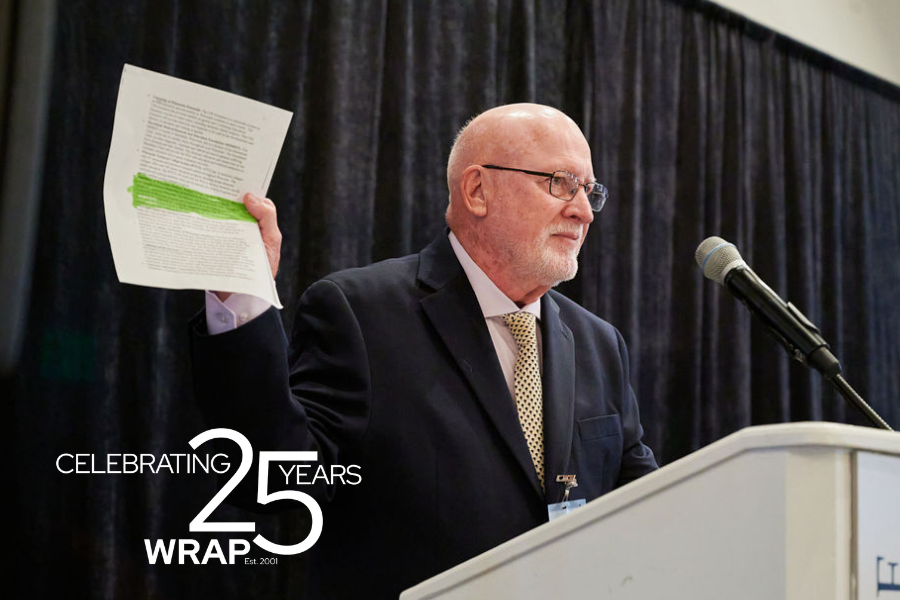
Reflecting on 25 Years of the Wisconsin Registry for Alzheimer’s Prevention
Twenty-five years ago, a single participant enrolled in what would become the Wisconsin Registry for Alzheimer’s Prevention (WRAP), now one of the largest and longest-running studies of Alzheimer’s risk in the world. To celebrate this milestone, we’re joined by Dr. Mark Sager,…
-
Addressing Cochrane’s Review on Amyloid-Targeting Treatments for Alzheimer’s Disease
Amyloid-targeting monoclonal antibody treatments have ushered in a new era of Alzheimer’s disease therapies after decades of research and clinical trials. A recent review published by Cochrane, a global, independent, non-profit network of researchers, professionals, patients and carers regarded as a gold…
-

New Study Examines the Effects of Food Insecurity on Dementia Risk
The latest Household Food Security report estimated that 13.7% of U.S. households experienced food insecurity in 2024. This lack of access to a nutritious diet can significantly affect health, so how does it then impact older adults’ health and their risk for cognitive impairment?…
-
Unpacking the U.S. POINTER Study
The U.S. POINTER study is one of the first large-scale, randomized controlled clinical trials to focus on how lifestyle interventions impact dementia risk and cognitive decline. On a special bonus episode of Dementia Matters, Dr. Laura Baker joins the podcast to explain…
-

On the Pulse: How Resting Heart Rate Improves a Dementia Risk Score’s Accuracy
What if your heartbeat could help determine your dementia risk? The CAIDE dementia risk score has long helped clinicians estimate midlife risk for dementia using cardiovascular health factors, but its accuracy hasn’t been equal across populations. New research suggests that integrating resting…
-

Could Managing Four Common Health Conditions Slow Cognitive Decline from Alzheimer’s?
Alzheimer’s disease isn’t always the only health condition a person faces, so how does treating other diseases impact the progression of Alzheimer’s? Researchers at the University of Arizona focused on four common health conditions – type two diabetes, hypertension, inflammation and dyslipidemia…
-

Taking Steps to Slow Decline: New Study Examines the Role of Physical Activity on Alzheimer’s Progression
10,000 – that’s the magic number of steps often recommended for a healthy lifestyle. With recent research looking into whether that number is an accurate benchmark for health, could the number of steps taken per day have an impact on brain health…
-
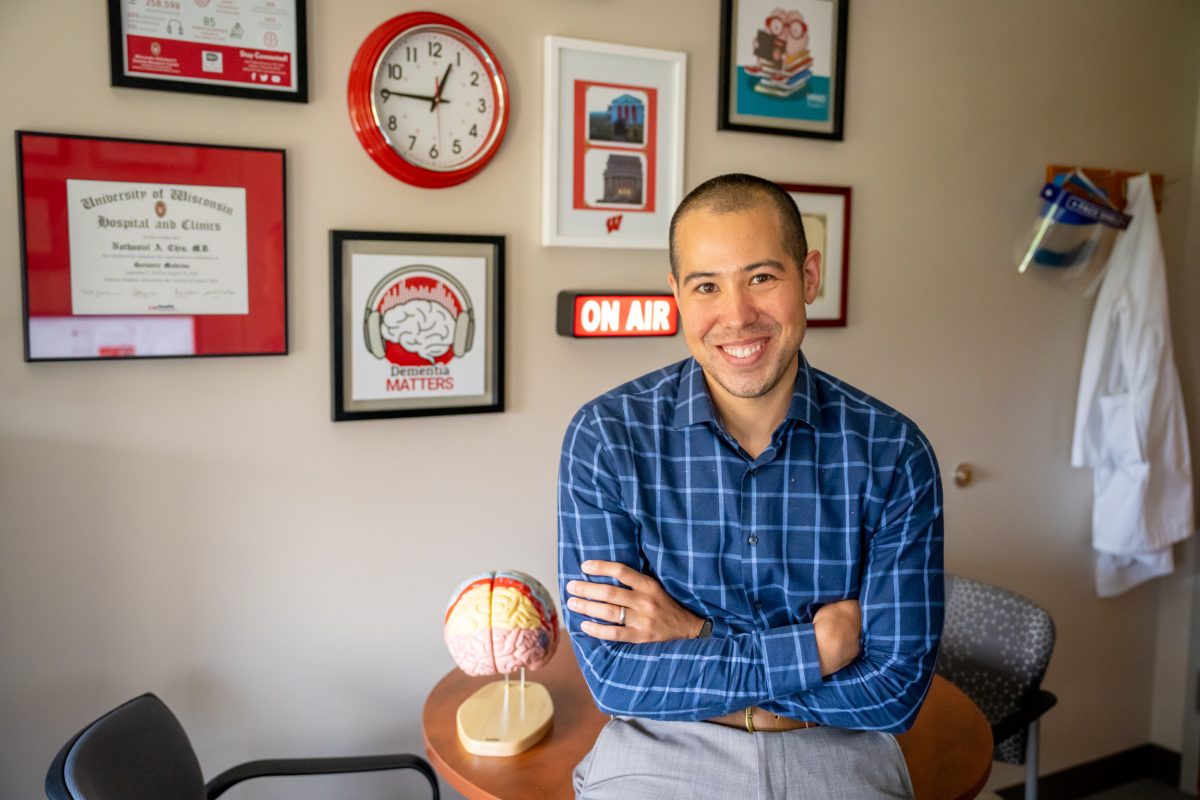
Reflecting on 2025: The Impact of Gratitude on Brain Health
As 2025 comes to an end, host Dr. Nathaniel Chin discusses the importance of gratitude for brain health and shares what he’s grateful for from this past year.
-

Talking TBI: The Impact of Traumatic Brain Injuries on Cognitive Decline
Traumatic brain injuries (TBI) like concussions are not uncommon, especially in children and older adults. These injuries can have both short-term and lasting effects on the brain, but what about their impact on cognitive function? Dr. Deling He of UW–Madison’s Cognitive-Communication in…
-
Study Finds COVID-19 Can Cause Build-up of Alzheimer’s-Related Proteins in Eyes and Brain
What do COVID-19 brain fog and ophthalmology have to do with Alzheimer’s disease? There may be more connections than one might think. Dr. Sean Miller is one of the scientists behind a recent study that used retinal tissue to investigate the links…
-

Making Sense of Microplastics: New Research Looks at How Microplastics Build Up in the Brain and Body
Microplastics are a growing concern in the field of environmental health, but their impact on the brain is only beginning to be understood. Joining the podcast to share the latest research on these tiny particles, which have been found in the brain…
-

Helpful or Harmful? New Study Looks at the Impact of Technology Use on Cognition
Smartphones and technology are ubiquitous in nearly every aspect of our lives, but is technology helping or hurting us when it comes to memory and cognition? Dr. Jared Benge, neuropsychologist and associate professor from the University of Texas at Austin, joins the…
-

Facing the Facts: Looking at the Alzheimer’s Association’s 2025 Annual Report
What is the current impact of Alzheimer’s disease and related dementias on the United States? To best understand its significance in 2025, we can turn to the Alzheimer’s Association’s Alzheimer’s Disease Facts and Figures report, a comprehensive resource that highlights the effect of Alzheimer’s…
-

Paying the Price: The Cost of Dementia in 2025
How much does it cost to live with dementia in the United States? The hidden costs are often overlooked, but these numbers and trends are important to understand in order to inform the public and effectively allocate resources. Dr. Julie Zissimopoulos leads…
-

Aging in Place: Addressing the Challenges of Living Alone with Dementia
It’s estimated that 4.3 million older adults across the United States live alone with cognitive impairment. How do these individuals navigate the challenges and concerns that arise due to these memory and thinking changes, and what recommendations are there to support them…
-

Could AI Identify Alzheimer’s Risk Factors from Electronic Health Records?
With the recent surge in artificial intelligence and machine learning technology, one of the most exciting fields it could revolutionize is health care and, more specifically, the field of cognitive care and research. Dr. Marina Sirota and Alice Tang join the podcast…
-

Smartphone Screenings: Assessing Memory and Cognition using a Mobile App
What if you could test your cognition from the comfort of your own home using a smartphone? Drs. David Berron and Lindsay Clark have spent years researching cognitive neuroscience, culminating in a 2024 published study investigating the effectiveness of a smartphone app…
-

Gut Feelings: The Links Between Gut Health and Alzheimer’s Disease
An expanding field of research is looking at how the gut affects different parts of people’s health, but how does it affect brain health? Drs. Barb Bendlin and Tyler Ulland join the podcast to talk about their 2023 study, which suggests a…
-

Predictive Personalities: How Personality Traits Influence Dementia Risk
While genetics and lifestyle can influence one’s risk of developing Alzheimer’s disease, other unexpected factors can shift the possibility. One of these factors is personality. Dr. Emorie Beck joins Dementia Matters to share her research on the link between personality and Alzheimer’s…
-

Be BOLD: Detecting Dementia Early Through Public Health Initiatives
When it comes to dementia diagnoses, the earlier, the better, but why is it difficult to detect dementia in its early stages? Moreover, what strategies can be used to improve dementia detection? Dr. Josh Chodosh joins the podcast to answer these questions…
-

Listen Up! The Connections Between Hearing Loss, Hearing Interventions and Cognitive Decline
Hearing loss affects roughly 15.5% of Americans 20 years and older. While the majority of these individuals experience mild hearing loss, the prevalence and severity of hearing loss increases with age. What does this sensory change mean for dementia risk, and can this…
-
Could Green Tea Hold the Key to New Alzheimer’s Treatments?
Dr. Paul Seidler joins the podcast to discuss his recent study looking at the connection between molecules in green tea and tau proteins. He also discusses the impact those molecules have on preventing cognitive decline and how these findings could lead to…
-

The Impact of Social Isolation on Dementia Risk in Older Adults
In May 2023, the U.S. Surgeon General, Dr. Vivek Murthy, released an advisory calling attention to the public health crisis of loneliness and social isolation in the U.S. With this widespread issue affecting such a broad population, how does social isolation impact…
-
Crosswords or Computers: Which is Better for Cognitive Engagement?
Cognitive engagement is vital to keeping your brain healthy since it can slow shrinkage and induce neuroplasticity. While modern technology offers many new tools and games to keep your brain active, are they better than traditional puzzles like crosswords? Dr. Murali Doraiswamy…
-

Studies Look at Generational Differences and Associations between Cognition, Sensory Changes and Blood Biomarkers
Dr. Natascha Merten joins the podcast to discuss her study focused on trends in cognitive function across generations. Merten also explains her research on the associations between sensory and motor functions and blood-based biomarkers for neurodegeneration and dementia. Guest: Natascha Merten, PhD,…
-

Bioenergetics: How Mitochondria Affects Alzheimer’s Disease and Aging
It’s generally known that mitochondria are the powerhouse of cells, but did you know they can play a significant role in aging processes? Through the field of bioenergetics, scientists are looking to study how changes in mitochondria affect us as we age…
-

Study Shows Do-Not-Resuscitate Orders Can Lead to Worse Care, Increase Death Rates
A do-not-resuscitate, or DNR, order is used to indicate when a patient chooses to forgo resuscitation, however recent analysis shows that multiple studies have connected the presence of DNR orders to elevated death rates, poorer medical care, and negative health outcomes. Dr.…
-
Alcohol and the Brain: One Drink a Day Associated with Brain Shrinkage
There are many conflicting studies on how alcohol consumption can impact a person’s health, with some studies suggesting light drinking can protect against coronary heart disease and others concluding that drinking can increase your risk for cancer. What does research say about…
-

Harnessing the Power of Autophagy to Treat Alzheimer’s Disease
The Puglielli lab at the University of Wisconsin School of Medicine and Public Health has found a way to manipulate autophagy — a process where cells clean out damaged materials — to rid the brain of toxic proteins like amyloid and tau.…
-

Nasal Vaccine for Alzheimer’s Disease Enters Clinical Trial
In November 2021, Brigham and Women’s Hospital in Boston launched the first human trial of a nasal vaccine for Alzheimer’s disease. Nearly 20 years of research went into developing the vaccine, which uses the immune system to clear Alzheimer’s disease-related proteins from…
-

New Research Shifts Thinking on Metabolism and Aging
There are many common beliefs about metabolism. Perhaps you’ve heard that a person’s metabolism slows around middle age, or that a woman’s metabolism is slower than a man’s. However widespread these beliefs are, recent research from the journal Science has found that these conceptions…
-

Aging Behind the Wheel: How Driving Behavior Can Identify Preclinical Alzheimer’s Disease
Dementia impacts a person’s ability to complete day-to-day activities like familiar tasks at work or at home. What if we could identify these changes in everyday behaviors early enough to identify preclinical Alzheimer’s disease? That’s what Dr. Sayeh Bayat, an assistant professor…
-
Global Challenges in Dementia Diagnosis: A Deep Dive into ADI’s World Alzheimer’s Report 2021
Alzheimer’s Disease International’s World Alzheimer’s Report 2021 recently found that 75% of people with dementia are undiagnosed, equating to 41 million people across the globe. The report, subtitled “Journey through the diagnosis of dementia,” also found clinician stigma is still a major…
-
AARP Study Shows Stigma Surrounding Dementia among Healthcare Professionals and General Public
With the numerous efforts currently focused on educating the public about dementia, from clinical programs to research to podcasts (like this one), how much is stigma surrounding cognitive decline affecting public understanding? On today’s podcast, Sarah Lock, Senior Vice President for Policy…
-

Safely Disclosing Amyloid Results with Alzheimer’s Disease Research Participants
Dr. Lindsay Clark’s new study will evaluate the psychological consequences of disclosing amyloid test results to cognitively unimpaired adults. Dr. Clark joins the podcast to define amyloid accumulation and discuss how her study will examine the process of revealing amyloid results to research participants…
-

Vitamin Deficiency and Its Impact on Brain Health
A study from the University of Wisconsin found 40% of geriatric memory patients were deficient in at least one vitamin linked to brain health. Vitamins tested in this study included B1, B6, B12, and D, all of which play an important role…
-

It Takes Two to Tango: The Importance of Amyloid and Tau in Cognitive Decline
Our guests, Dr. Rebecca Koscik and Dr. Tobey Betthauser, are researchers investigating the trajectory of amyloid and tau proteins over time and the significance of amyloid chronicity. Koscik and Betthauser discuss their two recent publications on the topic and how amyloid PET scans have…
-

What We Have Learned from the Wisconsin Registry for Alzheimer’s Prevention Study
Our guest is Dr. Sterling Johnson, associate director of the Wisconsin Alzheimer’s Disease Research Center and principal investigator of the Wisconsin Registry for Alzheimer’s Prevention (WRAP) study at the University of Wisconsin-Madison. The WRAP study is one of the largest and longest-running…
-

When Good Becomes Bad: Researching the Impact of Neuroinflammation
Inflammation is a common response throughout the body that fights injury and infection and works to rebuild cells after damage. Inflammation works the same way in the brain, but sometimes the inflammatory response meets damage it can’t manage and becomes dysregulated. Our guest…
-

Where’s the Connection? The Role of Synapses in Memory and Alzheimer’s Disease
Synapses are points in the brain where two brain cells connect and communicate. Dr. Barbara Bendlin discusses her new research into synaptic change, its relationship to memory loss, and how her first-in-the-field research might one day lead to a new tool for…
-

How Brain Autopsies Are Helping Further Dementia Research
This week, we speak with Dr. Shahriar Salamat and Mr. Jay Fruehling to discuss brain donation research and how it helps give the most accurate diagnoses. Guests: Dr. Shahriar Salamat, professor in the Department of Pathology, University of Wisconsin School of Medicine…