Managing the Medicine Cabinet: How Prescriptions Impact Cognition and Brain Health as We Age
Prescription medications, over-the-counter drugs and supplements are incredibly common among older adults, yet many of these routine treatments can unexpectedly impact cognitive function and brain health. To help us safely navigate medication management, Dr. Lauren Welch, a clinical geriatric pharmacy practitioner, joins the podcast to discuss how common drugs affect cognition, the risks of drug-drug interactions, and how families can effectively partner with their health care team to review and de-prescribe medications.
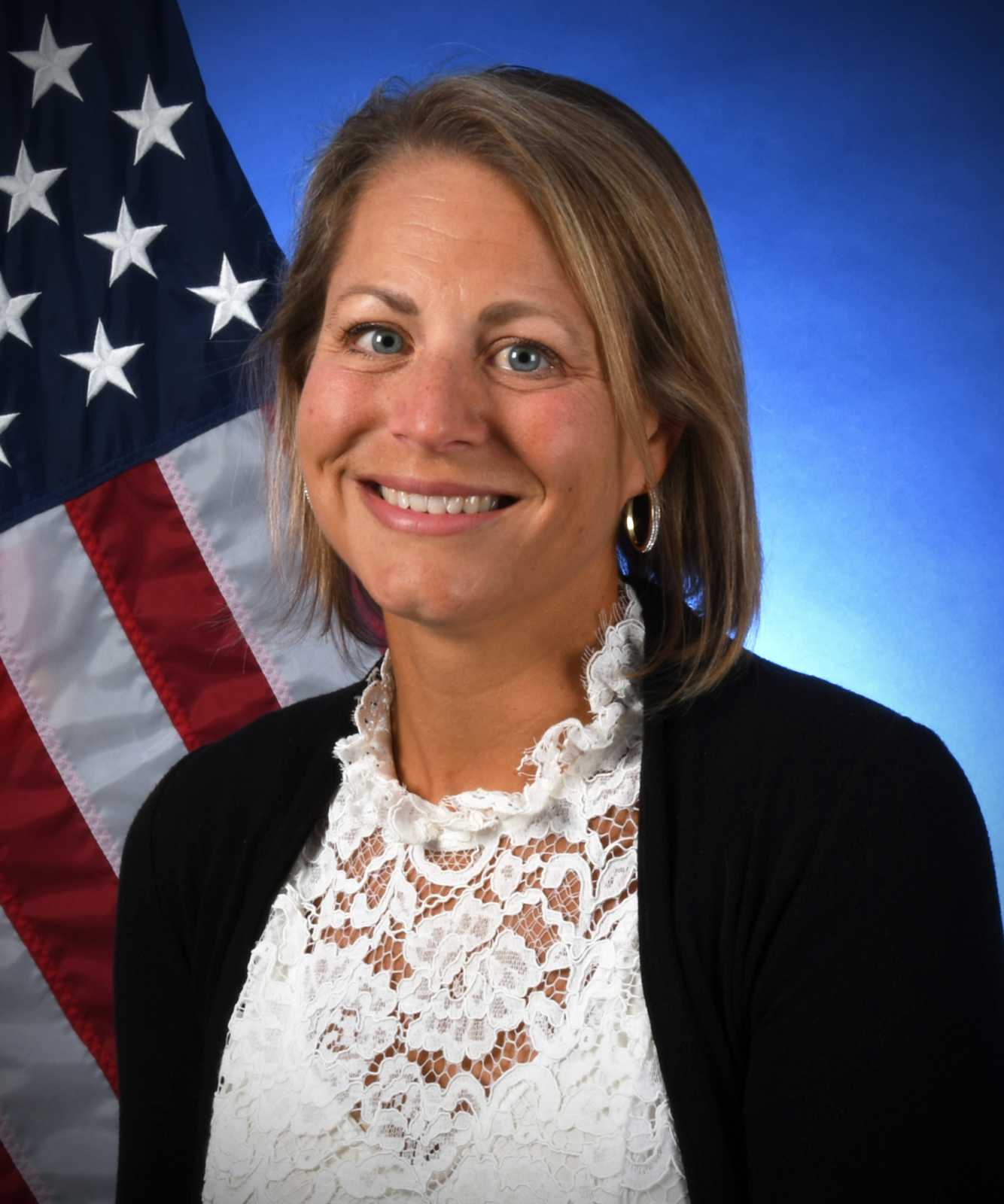
Guest: Lauren Welch, PharmD, BCGP, clinical geriatric pharmacy practitioner, Veterans Affair Geriatrics Research Education and Clinical Center
Show Notes
Learn more about the Wisconsin Pharmacy Quality Collaborative (WPQC) and how to get a physician referral at the Pharmacist Society of Wisconsin’s website.
Learn more about the effect of blood pressure control on dementia risk, mentioned by Dr. Welch at 22:50, by listening to our past episode “SPRINT to a Healthy Mind: How Blood Pressure Control Affects Brain Health and Dementia Risk” on our website.
Connect with us
Find transcripts and more at our website.
Email Dementia Matters: dementiamatters@medicine.wisc.edu
Follow us on Facebook and Twitter.
Subscribe to the Wisconsin Alzheimer’s Disease Research Center’s e-newsletter.
Enjoy Dementia Matters? Consider making a gift to the Dementia Matters fund through the UW Initiative to End Alzheimer’s. All donations go toward outreach and production.
Learn about Dr. Chin’s book, When Memory Fades: What to Expect at Every Stage, from Early Signs to Full Support for Alzheimer’s and Dementia.
Transcript
Intro: I’m Dr. Nathaniel Chin, and you’re listening to Dementia Matters, a podcast about Alzheimer’s disease. Dementia Matters is a production of the Wisconsin Alzheimer’s Disease Research Center. Our goal is to educate listeners on the latest news in Alzheimer’s disease research and caregiver strategies. Thanks for joining us.
Dr. Nathaniel Chin: Welcome back to Dementia Matters. In 2019, it was estimated that nearly seven in 10 adults age 40 and 79 used at least one prescription drug in the past 30 days in the United States, and around one in five used at least five prescription drugs. With how common prescription medications are in addition to over-the-counter medications and supplements, it’s important to understand how some of these more common medications work, how they might impact cognition and how to properly manage them with your health care care team. Joining me today to discuss is Dr. Lauren Welch, a clinical geriatric pharmacy practitioner at Veteran Affairs (VA) Geriatrics Research, Education and Clinical Center, with a primary practice in geriatrics primary care and specialty care clinics, including our memory clinic. Dr. Welch, welcome to Dementia Matters.
Dr. Lauren Welch: Thanks so much for having me. Excited to be here.
Chin: Well, to start, can you tell us about how you got started as a geriatric pharmacist and what your work involves? In your answer, if you could explain to us, how might geriatric pharmacists see medications differently than your other colleagues in general pharmacy?
Welch: Sure, absolutely. Yeah, so how I got interested in geriatrics is really my grandparents. My mom’s parents, Noni and Papa, they aged really well, well into their nineties, and remained independent up until the end really at home. In pharmacy school, we started learning about medications and how things are different with our older patients, and really I realized how important it was to look at medications through a lens of, “How can we safely prescribe these medications to really maximize function and quality of life and with the goal to get everybody to live a long extended life in great capacity,” similar to how my grandparents modeled that. In that, going through pharmacy school and things like that, I really zoned in on the love of the complexity that our older patients bring to the medication landscape, if you will, and really had a heart for that. In addition, I love all the storytelling that our patients also bring to the table, which I think is super valuable and important because so much of what we see through storytelling and things like that is really what matters most to the patients. I think a lot of that needs to be brought into these discussions about how we’re caring for some of our patients.
Chin: I love that a part of why you do what you do is you have these wonderful positive role models in your grandparents. I thought initially when you gave me that answer, I was thinking, “Oh no, you saw the negative impact of medications on older adults and that’s why you really wanted to get involved.” But for you, it’s very positive, “I want people to be more like that and to thrive in this older aging model.” I just think that’s really nice.
Welch: Yeah, a hundred percent. I think, to your other question about how a geriatric pharmacist might see medications differently than other pharmacists, as a geriatric pharmacist we learn how our bodies change over time and how they process medications differently, how they metabolize medications and how those medications are being cleared from the body, all looks very different than our younger patient population. Really, this can slow down over time, meaning that sometimes the medication is lasting longer in the body, increasing the incidence or or risk of that patient experiencing a medication side effect. Really, as a geriatric pharmacist, I’m constantly thinking about how my older patients are maybe more susceptible to some of these medication side effects. They can be really detrimental, especially within that kind of cognitive realm, as well as an increased risk for falls. All of that is playing a role as far as what I’m thinking about when I’m seeing patients. I think as people age, too, there’s this shift that occurs when we’re thinking about those clinical practice guidelines that we have available to us and how many of those tend to change or no longer be relevant when we’re caring for our aging patients and how we have to have that different lens when we’re caring for our patients when we’re thinking about medication use.
Chin: Well, so, I mean, Lauren, you’re coming to this meeting with a patient and their family with a lot of different contexts. You’re recognizing their biology and physiology is different. They may or likely are on more medications than someone who’s younger so there’s more interactions, and we’ll talk about that in a second. But their narrative is so important because you really want to focus on what matters to them. Then you’re really just considering just all the complexities of the consequences of medication. You have a lot in your head that you’re balancing as you meet with patients, but then they also have their own questions. What are common concerns or questions that you hear when you do engage with older adults regarding their medications or medication use in general?
Welch: Good questions. I hear a lot of them, but probably some of the more common ones are, “I don’t understand why I’m taking so many medications.” Another common one that I hear is, “I don’t even know what all these medications are for. Why do I need to take them?” Another one might be, “Is there something that I can do so I take fewer medications?” Another common one too is looking at my list of medications because many times we’re giving patients their medication list as they’re coming into the clinic. That can feel overwhelming to a lot of patients, but, “I’m concerned that some of these might not be interacting well with each other and causing problems that I might not be hearing about.” The other one that’s not really a question, but maybe more of a statement is, “I would prefer to take over-the-counter medications versus prescription medications since they’re safer.”
Chin: Oh wow. You get a lot and I’m not going to have you answer all of those for our audience right now, although I bet they would like that. How about if you could answer the last one, when people approach you about supplements versus prescription? And then, the second one, what do you tell people when they say, “I wish I wasn’t on so many medications?”
Welch: Yeah, yeah I think for the over-the-counter one, I frame it as what they’re hoping to get out of maybe taking X supplement or over-the-counter medication. I think that’s important to know like the why behind why they’re wanting to take a certain medication. I think the problem that we have with many of our, especially supplements and herbal medications, is they’re not really regulated by any sort of federal body. The FDA doesn’t oversee them like they do with certain prescription medications. The safety aspect of it, we don’t always know what’s in X supplement or vitamin that they might be taking. Certainly the scientific studies that are done with those types of supplements are different than in the prescription realm. As far as like over-the-counter medications, a lot of the over-the-counter medications may be deemed safe but not necessarily for older patients. I think taking that with a grain of salt and providing more of that education for patients as far as what are the differences and why we might opt to use a prescription versus an over-the-counter.
Chin: What about when they say, “I really don’t want to be on all these medications?” What do you say to that?
Welch: Yeah. Then I think it’s really ripe to have the discussion, and maybe it’s not today’s visit that we focus on that but come back for a more comprehensive medication review, when we’re digging a little bit deeper about why you’re taking all these medications and what are they actually doing for you clinically? Are you having any issues with them? Is there a way that we can scale back or even simplify their medication regimen? Maybe they’re taking medications three times a day and that’s becoming too problematic. Can we get that down to maybe twice a day, with still having the same benefit from all the therapies that they’re taking?
Chin: I know you can do these visits at the VA, but my understanding is in many other non-VA healthcare institutions, like our own at UW Health, we can make a referral to a pharmacist for a full consultation where you review all the medications. That’s true elsewhere too.
Welch: Yeah, yeah I think the VA has kind of been on the forefront in sort of how they utilize their pharmacists and we schedule hour-long visits with our patients to really dig deep into all of these different things. Typically I will have the patients bring in all of their medications from home, even like as-needed medications, and we go through each and every one. I think that can be really helpful. I think even at UW, they’re starting to utilize their local pharmacists a little bit more. I will also mention that through the Pharmacy Society of Wisconsin, they have created what’s called this Wisconsin Pharmacy Quality Collaboration. Really the goal of that is to provide community pharmacists with valuable resources to provide medication therapy management services really to patients across the state of Wisconsin. This is done through a quality credentialing process in Wisconsin that works with third-party payers and pharmacies across the state with a goal to really engage patients with their community pharmacists to sit down and do these comprehensive medication reviews because we know that they are so incredibly valuable. Patients’ providers can refer patients to these local pharmacies to have this done. Some of this is covered through different payer sources, so there’s lots of different ways to better engage. It’s more just knowing where to find those resources and how to go about doing that.
Chin: I’m so glad you mentioned that for us and we’ll look for a link to put that in our show notes too, Lauren. You brought up cognition in one of your earlier responses so, I’m wondering for our audience, what are the most common medications that are known to negatively impact cognition and how would you recommend or how might you counsel someone who’s taking one of those?
Welch: Great question. I think one of the biggest offenders out there is one of our over-the-counter medications that we have. Again, going back to the safety of those over-the-counter medications and how they might be different with our older patients, Benadryl is one of the biggest ones that I’m always on the lookout for, also referred to as diphenhydramine. This is always throwing out those warning bells for me when a patient’s telling me that they’re taking it. Many of these over-the-counter antihistamines are also found in some of our combination products. So thinking about our common sleep aids that are over-the-counter, many of those also contain some sort of antihistamine that will worsen cognition for folks. It’s also found in a lot of combination cold products that are out there too. Really what we’re worried about is these types of antihistamines have what we call anticholinergic properties. One of the biggest ones that we’re worried about is that cognitive impairment piece of it. I think there’s been a lot of studies in looking at these anticholinergics, especially those antihistamines, that have looked at the long-term safety concerns that we have with dementia risk and the development of dementia if people are taking these medications especially for high doses at long periods of time. There’s been a lot of research and study that have confirmed that positive correlation between using some of these medications and developing dementia later on.
Chin: There have been some recent studies showing that people with cognitive impairment are still being prescribed medications that can negatively affect cognitive function, like you just mentioned. But one in particular also talked about antipsychotic medications and their increased use in people living with dementia. As a pharmacist, how do you approach these tricky situations where clinicians are prescribing the medication to actually help with one aspect of a person’s health but potentially negatively impacting another, and what do you say to families asking you, “What should we do?”
Welch: Yeah. Really great question. I think you hit the nail on the head. This is a tricky and delicate conversation to navigate. I think one of the major issues is we do live in a world of health care that is a lot more siloed in nature. We have a lot of specialists out there that exists only focusing on one aspect of health. I think my job as a geriatric pharmacist is to really take a step back and try to look at the bigger picture and think about how all these different medications are really impacting the overall health and wellness of the patient. I think, for the antipsychotics, one of the main issues is that it can impact cognition negatively, but it can also be beneficial for other behaviors and things like that, that we might be using it. I think educating prescribers who might be prescribing the medication is really key. Educating families about how this medication might be working differently in their body. I think sometimes these patients maybe were started on these medications many, many years ago and those medications just have continued. Having that conversation, like, “It might be acting differently now.” Looking, are there other safer alternative types of medications and collaborating with whoever might be prescribing that medication and really just getting all the players involved and having more of a team-based approach to care for some of these patients is really helpful. I think sometimes we forget that sometimes non-drug therapies are really helpful for some of these things. I think many times people want the quick fix with medications but, in reality, I think sometimes non-drugs are actually better and have more data to support their use. Also using those in combination with some of these other maybe safer medication drug options out there can be a good starting point.
Chin: Yeah, Lauren, I had a really positive interaction with the pharmacist as a prescriber, and I got a message that was, “Are you sure you want to prescribe this antipsychotic?” And initially I was like, “Well, yes, I know what I’m doing,” but it led to a really fruitful conversation about tapering and having a plan and talking about, okay, “This is a short-term potential solution. It might not work, but if it does, we still want to get off of it.” And the pharmacist was really helpful in working through when to re-have conversation and what that schedule would look like. Prescribers, we don’t have that much familiarity with titration and deprescribing it and what the schedule looks like, so it was a really helpful conversation. It all happened because the pharmacist just simply reached out to ask, “Are you sure you want to do this?”
Welch: Yeah, yeah I think that just speaks to the value that really team-based care can really add to our geriatric patients is having multiple people on board because providers’ times are so finite. We don’t have a lot of time but a lot of times these medication titrations and things like that that you mentioned do take time so collaborating with other health care team members can be really valuable to providing the best care.
Chin: I want to ask you another tricky situation. Chronic pain is a major issue for many people. While the public and the clinical world seem very focused on reducing the use of opioids or narcotics, there seems to be an increasing use of a different type of pain medication called gabapentin. Can you talk about this one in particular and how it might impact someone, an older adult and an older adult’s cognition?
Welch: Yeah. I think according to the FDA-approved drug label, gabapentin in older adults does require some cautious dose selection. Again, starting at lower doses is typically recommended just due to our known side effect profile. I think one of the main ones that we’re concerned about is this medication can cause drowsiness and contribute to fall risk for our patients. I think it also presents the complication that it can have negative impacts on cognition as well, so certainly we should be thinking about that before even starting a patient on a gabapentin type of medication. It can be helpful for pain management in certain scenarios. Looking at what are the other medications that they’re currently taking that might increase fall risk or might put them at risk for worsening of cognition, looking at that as far as overall burden of medications before even thinking about starting it. Then certainly if we do choose to start that type of medication, just making sure we’re using the lowest effective dose possible and making sure patients are tolerating it. As geriatric pharmacists and geriatric providers, we always follow the rule of “Start low and go slow,” but maybe make sure you’re going enough to get to that effective dose for the patient too is really important. I think all of that being said, also having that low threshold to discontinue the medication if, A, it’s not managing their pain well, and B, if it’s causing any sort of worsening side effects that we might be concerned about.
Chin: I also want to talk about the potential positives. There’s research being done on different medications or vaccines that could help reduce the risk of dementia. Could you speak on some of those specifically how they might help and what the studies are looking at or have found so far?
Welch: Yeah, I think this is a super relevant topic. There’s a lot of research being poured into what can we do to minimize the risk of developing dementia, which is great, but I think what we’re finding is it’s very multifactorial in nature and there’s lots of different factors to consider. Seems like we need to target these multiple pathways to really get to the root causes as far as finding good treatment options. I think one of the pathways that a lot of dementia research is focusing on at the moment is really thinking about how inflammation plays a role in the development of dementia and what can we do upstream or really early on to minimize that inflammation risk from occurring. I think a couple of the things that a lot of focus and research is going into is both in the realm of high blood pressure, high cholesterol and how that might be contributing to the development of cardiovascular disease, which ultimately works through that inflammatory pathway to some degree. There’s been a lot of research that has supported that having better blood pressure control has strong evidence for dementia prevention. Really the focus is — I believe the 2025 American College of Cardiology came out with recommendations just last year that really has targeting that systolic blood pressure to be less than 30 to prevent that mild cognitive impairment and dementia later on. Really a lot of that research is being done and the focus is in midlife, so those patients are under the age of 70, so what we can do in our younger years to really set us up for better success later on is the focus. I think there’s some supporting evidence too, as far as managing cholesterol in sort of the same vein as far as dementia prevention. There’s no real studies that support the actual use of our statin medications to prevent dementia per se, but there’s been a lot of observational studies that suggest that there’s this protective effect; that when using statin medications to lower cholesterol levels, that might minimize dementia risk down the road through similar anti-inflammatory pathways that they’ve talked about. You mentioned vaccines as another possibility, and there’s been a couple of recent studies that have looked at the association between receiving a shingles vaccine to help reduce the risk of developing dementia. The initial study that was published used the old vaccine, but then there’s been a more recent study that used the more updated shingles vaccine that we normally provide to patients. There has been a positive correlation with receiving that and lowering the risk of developing dementia. I think it’s just working through that inflammatory pathway, so probably a lot more to come in the coming years as far as what that looks like. There are certainly things that we can be thinking about as providers and as patients to be asking our providers these questions to, “What can I do now to minimize my risk later on?”
Chin: That’s a really good recap. Thank you, Lauren. Now I want to ask another tricky one for you. I’m just taking advantage of our time together and not having too much access to a pharmacist. As a geriatrician caring for patients who often are on five to 15 prescribed medications plus supplements or over-the-counters, I’m constantly thinking about drug-drug interactions. I’m not an expert in how that happens, but I think about it. Can you explain to our audience what exactly is meant by drug-drug interaction? How common are they, and what should people do to prevent this type of complication?
Welch: Yeah, yeah, another great question. It’s not a super simple answer. I think drug-drug interactions can be described in a couple of different ways, but essentially what this is is this is occurring when a medication changes the way that another medication is working in the body. It can happen in one of two ways. The first being one medication can cause the body to break down another medication more slowly. In essence, it’s building up more in the patient’s system, it’s not clearing out of the body as quickly. That can then increase a side effect of that second medication. The second way in which drug-drug interactions can occur is when one medication will actually break down the other medication quicker than expected, and so that essentially makes that second medication less effective, meaning you might need higher doses of the medication to treat that patient. I think that’s a really important thing to think about, but not just in the context of prescription medications. I think a lot of our over-the-counter medications or even our vitamins and supplements that many of our patients are taking, too, can feed into the potential for drug-drug interactions. I think, to that vein, it’s really important that patients are keeping an updated medication list that they’re taking and sharing that with all their different prescribers that might be prescribing medications, their pharmacists, just so everybody’s in the know of what a patient’s taking and to guide potential issues with medications as it relates to these drug-drug interactions that might be happening.
Chin: How often should individuals have conversations with their doctor or health care team about the medications they’re taking to review it and then possibly deprescribe it? You mentioned having a list, so how often should they bring that list and talk about it and then how do you recommend they start that conversation and the kinds of questions they should bring up?
Welch: Yeah, I think in a perfect world, all patients would be meeting with a pharmacist every year, going through a comprehensive medication review of all their medications, all their over-the-counters, all their supplements, making sure that everything’s appropriate and still needed at that time. But really, in a busy clinic setting, this doesn’t always happen. I think at any point of prescribing, if a patient’s being prescribed a new medication, we as health care providers should be reviewing what their current medication list is before we’re adding on to additional medications that might create issues down the road. I think we mentioned earlier on in our conversation that the VA is really fortunate with how they utilize their clinical pharmacists and not only within primary care, but we have a lot of pharmacists within our specialty clinics as well that our primary care providers have the option to refer these patients. If we’re concerned that polypharmacy might be contributing, maybe there’s areas that we could focus on deprescribing certain medications that can be done and utilized. I know there’s been more and more research in the field of deprescribing medications, but there’s been different tools that have been developed. Here at the VA, we actually have a tool that we utilize that at any point of prescribing forces prescribers to review medications and make sure that they’re vital, they’re important and they’re necessary. Or maybe thinking about, “Are any of these medications optional in nature that we could scale back before adding on additional therapies?”
Chin: Well, to end today, Lauren, I want to give you the opportunity to offer any advice that you say to your patients regularly or you just think is really important for the community to know for older adults, their care partners, as they manage their medications. It can be anything related to a conversation that you feel is just important for all of us to think about when it comes to meds.
Welch: Yeah, I think we talked about how we live in a world of health care that has lots of different specialty providers and things like that. I think one of the biggest things that patients and care partners can do is making sure their health care providers are all on the same page and everybody has all that key information to help provide safe and effective care to patients. Bringing that updated medication list that has all the prescriptions, all their over-the-counters, all their herbals, things like that, is such an important piece of the puzzle when we’re thinking about, “Are we providing the best care to our patients and the safest care, really, for a lot of our older adults?” I think when we’re thinking about dementia and memory decline, too, I think family members and care partners should always be keyed in to those patients that maybe are still managing their medications and checking in and making sure that they’re not having any issues with either adherence to medication, remembering to take their medications or maybe slipping up on, “This medication should be twice a day, but I’m only taking it once a day.” Thinking about that and bringing that to their care team, too, “Do we need to develop a new system as it relates to medication management?” We endorse a lot of use of pill boxes to help with the adherence piece. I oftentimes have patients or care partners come in and I’m setting up alarms on cell phones to help engage patients to be a little bit more reliable about when to take certain medications. I just recently had a patient that I didn’t label the alarm, so then the alarm went off and then they didn’t realize what it was for. Then we had to come back in, relabel things, and that seems to be working out. Just thinking about, are there other ways that we can again, to my point, keep patients in their home for as long as possible but still have that quality of life and independence is key. Lastly, the thing that I think is most valuable is just making sure patients and caregivers — don’t be afraid to speak up and ask questions, especially regarding medications. Making sure that you’re getting the right sort of education that you need about certain medications and just making sure you have all the information to make those informed decisions, “Is this the right thing to start a certain medication or potentially stop a medication?”
Chin: Well that’s a great way to end our podcast with some very empowering information. Thank you, Lauren. Thank you for being on Dementia Matters to answer these questions and share this important information for our listeners.
Welch: Yeah, I’m so happy to be here and hopefully someone finds a piece of this helpful down the road.
Chin: I’m sure they will. Thanks again, Dr. Lauren Welch.
Welch: Thanks, Nate.
Outro: Thank you for listening to Dementia Matters. Follow us on Apple Podcasts, Spotify or wherever you listen. Or tell your smart speaker to play the Dementia Matters podcast. Please rate us on your favorite podcast app. It helps other people find our show and lets us know how we’re doing. If you enjoy our show and want to support our work, consider making a gift to the Dementia Matters Fund through the UW Initiative to End Alzheimer’s. All donations go toward outreach and production. Donate at the link in the description. Dementia Matters is brought to you by the Wisconsin Alzheimer’s Disease Research Center at the University of Wisconsin–Madison. It receives funding from private, university, state and national sources, including a grant from the National Institutes on Aging for Alzheimer’s Disease Research Centers. This episode of Dementia Matters was produced by Caoilfhinn Rauwerdink and edited by Eli Gadbury. Our musical jingle is “Cases to Rest” by Blue Dot Sessions. To learn more about the Wisconsin Alzheimer’s Disease Research Center, check out our website at adrc.wisc.edu and follow us on Facebook, Instagram and X. If you have any questions or comments, email us at dementiamatters@medicine.wisc.edu. Thanks for listening.