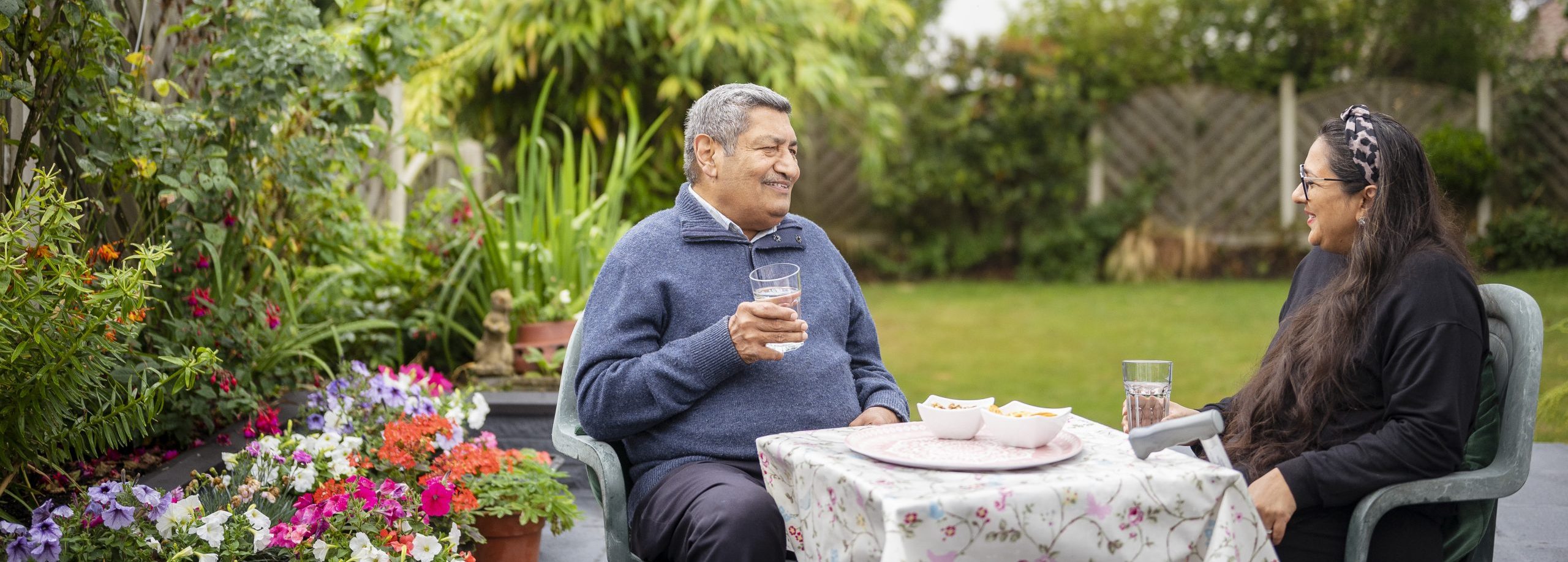
Gender Differences and Specific Populations Episodes
Episodes about how dementia affects different demographics.
-
Getting AHEAD of Alzheimer’s with Inclusive Clinical Trials
Dementia Matters Special Series: Voices of Research Participants When Ms. Carol Turner found out her family had a history of Alzheimer’s disease, she wanted to know how she could help herself and others with similar experiences. After learning about the AHEAD Study, which…
-
Advocating for All: The Impact of Community and Equity in Dementia Research
Dementia Matters Special Series: Voices of Research Participants What do you do when dementia symptoms begin to upend your entire life? For Brother John-Richard Pagan, the answer was to persist in finding a diagnosis and a supportive community that aligned with his values.…
-
A Fair Fight Against Alzheimer’s: The Need for Equity in Dementia Research and Care
How can we ensure that all communities are represented in Alzheimer’s and related dementias research and have access to the latest treatments and interventions? Dr. Carl Hill, the chief diversity, equity and inclusion (DEI) officer for the Alzheimer’s Association, joins the podcast to…
-

Study Shows APOE Gene Affects Hispanic Populations’ Risk of Cognitive Decline Differently to Non-Hispanic Populations
The APOE gene is recognized as a significant genetic risk factor for cognitive decline, with different alleles, like APOE e2, being seen as protective against decline and others, like APOE e4, indicating an increased risk for cognitive decline. However, new studies are looking…
-
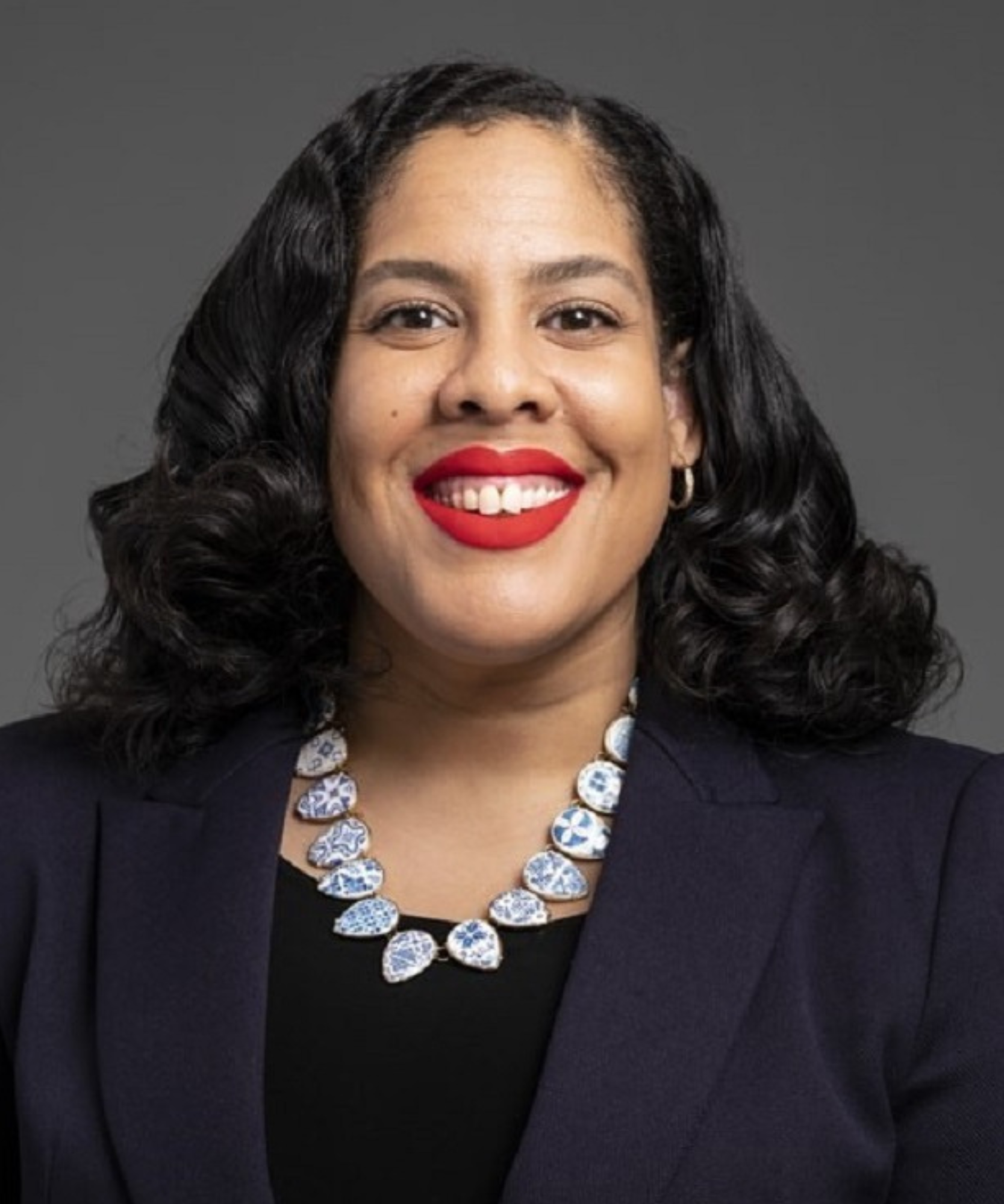
Deciding to Donate: Barriers and Benefits of Brain Donations for Diverse Populations
Dr. Crystal Glover, health equity in aging researcher at Rush Alzheimer’s Disease Center, joins the podcast to discuss the importance of increasing brain donations and tissue samples from older adults of underrepresented backgrounds. Dr. Glover talks about the reasons why participants may be…
-
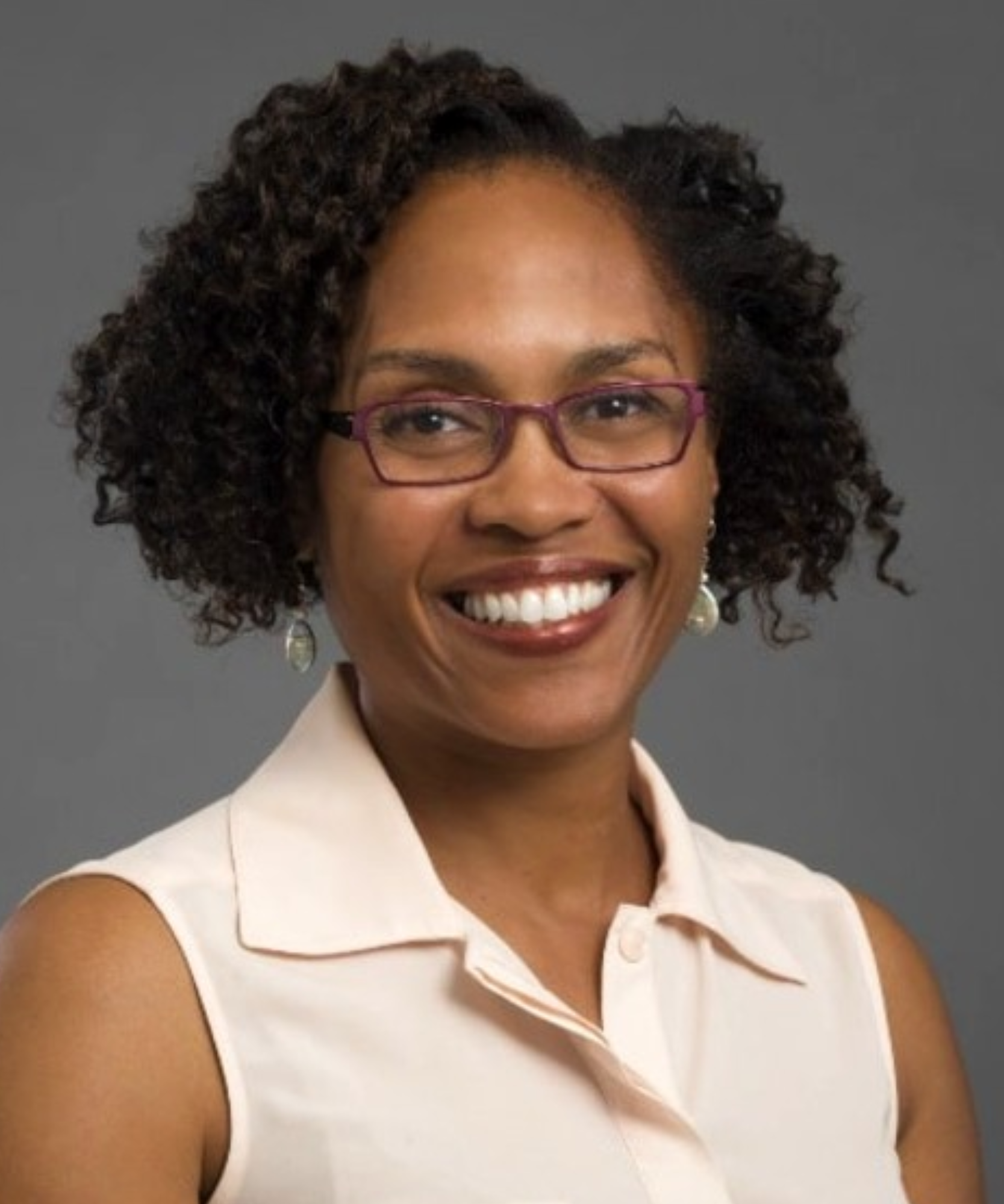
Understanding the Social Determinants of Health and Disparities in Alzheimer’s Research
Dr. Lisa Barnes joins the podcast to discuss her research focusing on how social determinants of health, specifically racial differences, affect chronic diseases of aging.She explains the difference between equality, equity and justice, and the different drivers of disparities within the medical field.…
-
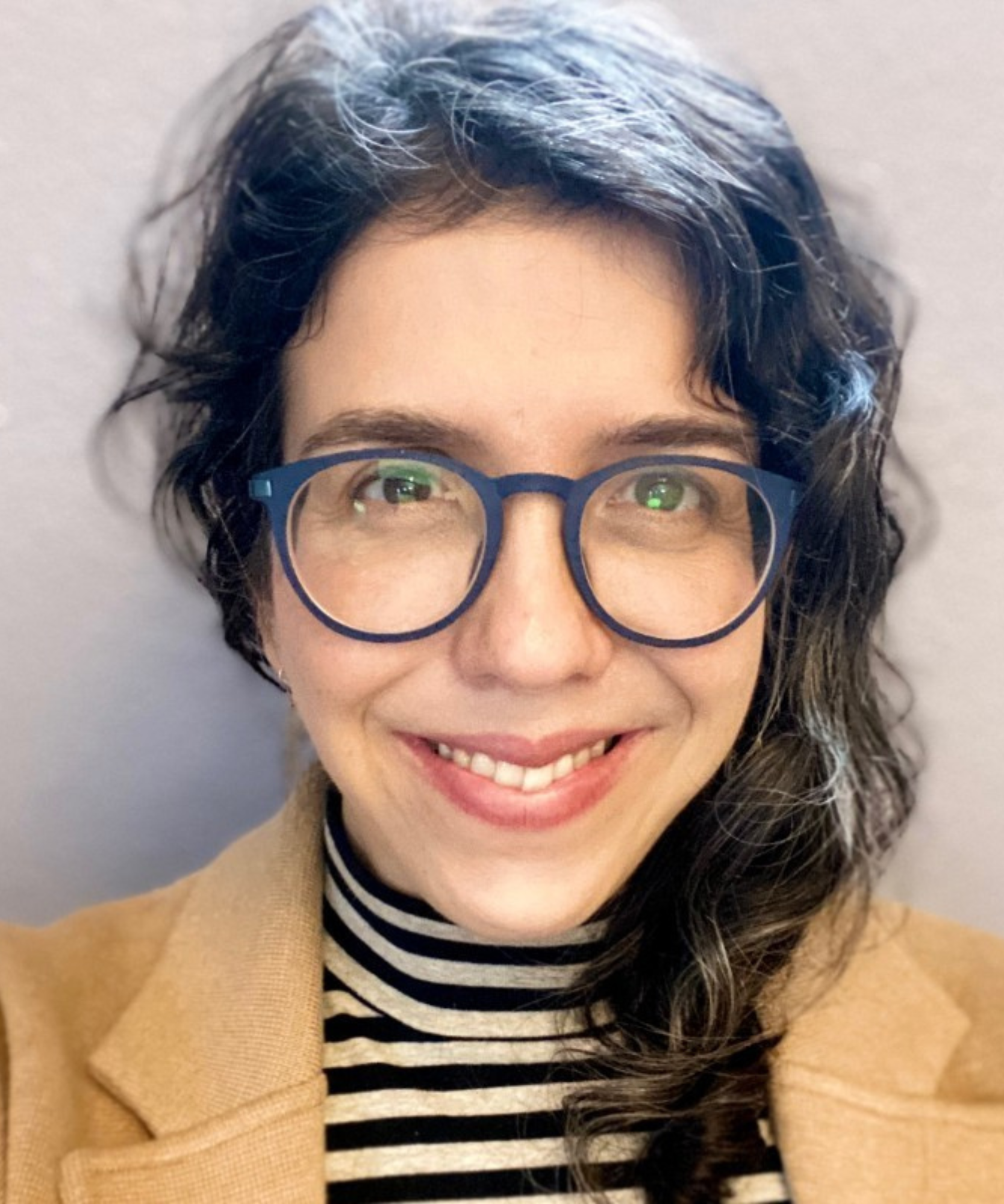
The National Strategy for Diversifying Alzheimer’s Research
Dr. Sarah Biber, the program director for the National Alzheimer’s Coordinating Center (NACC), joins the podcast to discuss efforts to increase representation and equitable practices across the 37 Alzheimer’s Disease Research Centers (ADRCs). She discusses key disparities in Alzheimer’s disease research, why diversity…
-
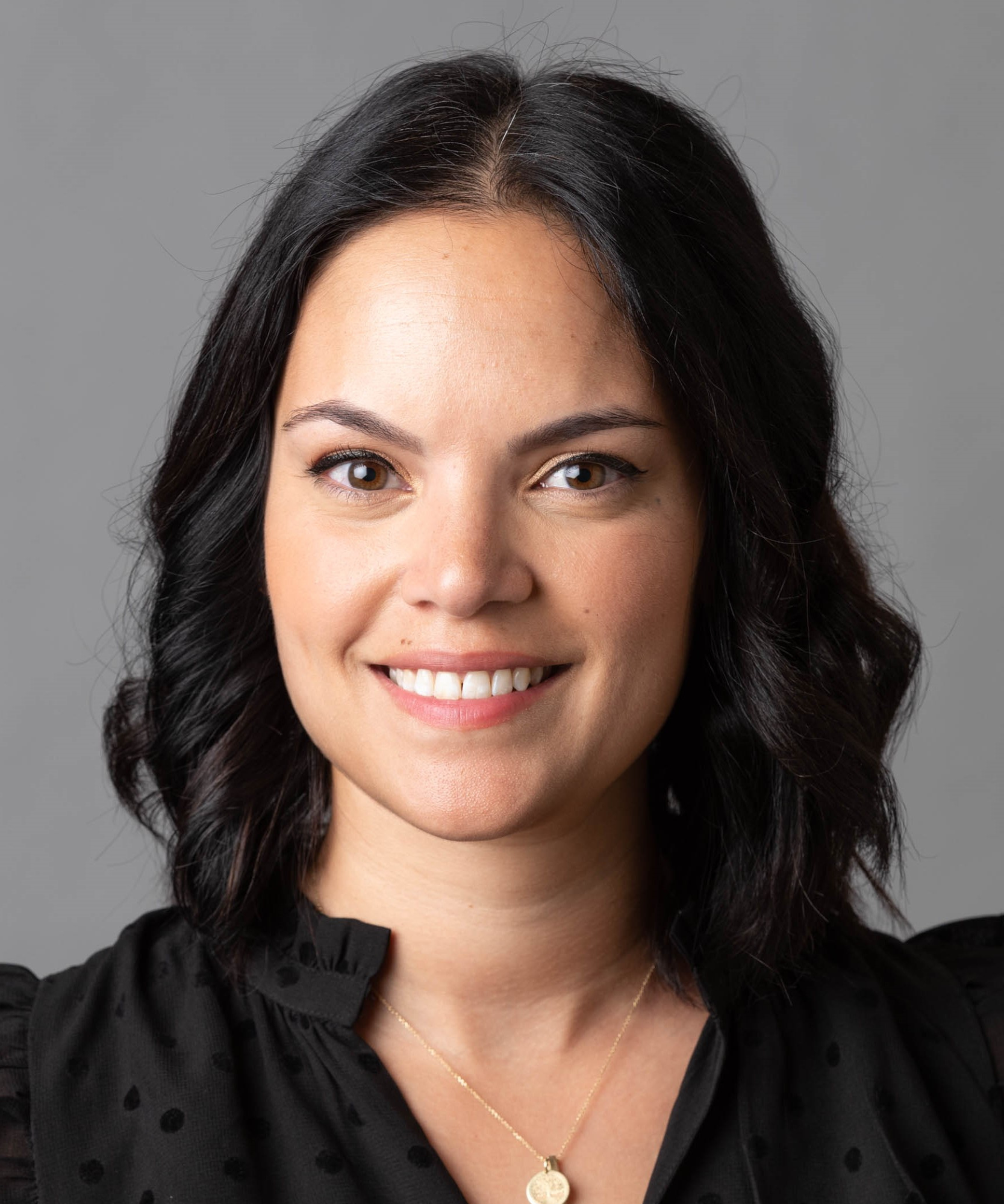
Disclosing Alzheimer’s Disease Biomarker Results in Diverse Populations
Dr. Annalise Rahman-Filipiak joins the podcast to discuss her research focused on disclosing neuroimaging biomarkers across diverse populations. She addresses why some people might want to know their biomarker results, while others might not, and how careful disclosure of these results to at-risk…
-

Study Shows APOE e4 Not Associated with Alzheimer’s Disease in American Indian Populations
Researchers typically recognize the APOE e4 gene as a significant genetic risk factor for cognitive decline and dementia. However, a new study has found that the allele is not linked to neurodegeneration for all races and ethnic groups, specifically for American Indian populations.…
-
Scientific Importance of Diversity in Alzheimer’s Disease Research
AAIC Special Series Part 5: Bringing together scientists, clinicians, and research participants from all over the world, AAIC 2022 showcases the work and experiences of people from unique backgrounds and perspectives and highlights the importance of diversity in Alzheimer’s disease research. Dr. Carl…
-
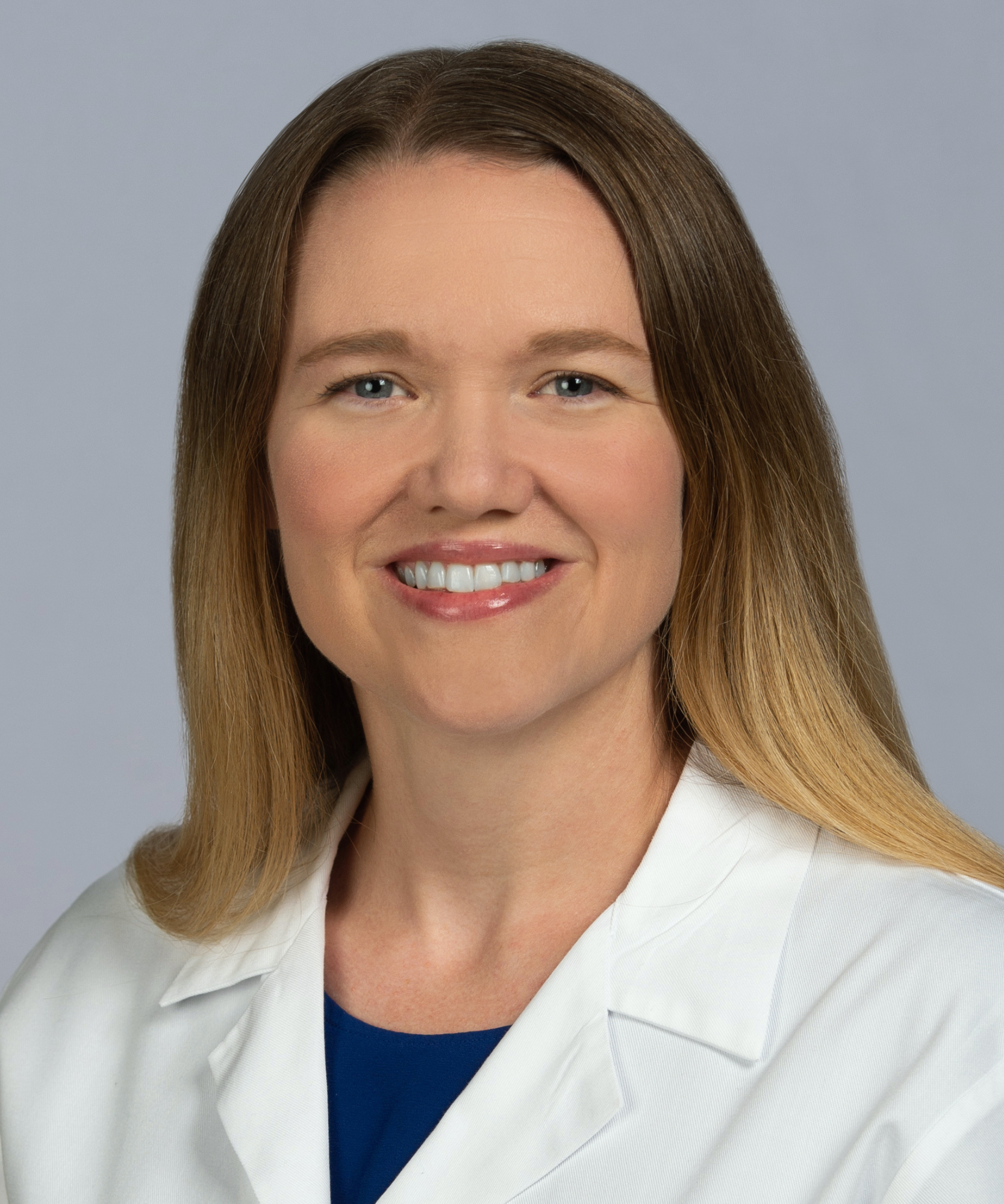
Women’s Health Month: Women and Alzheimer’s Disease
In honor of Women’s Health Month, Dr. Jessica Caldwell joins the podcast to discuss sex differences in aging and Alzheimer’s disease. She explains some of the ways women experience aging and Alzheimer’s disease differently than men and how she incorporates research findings into…
-
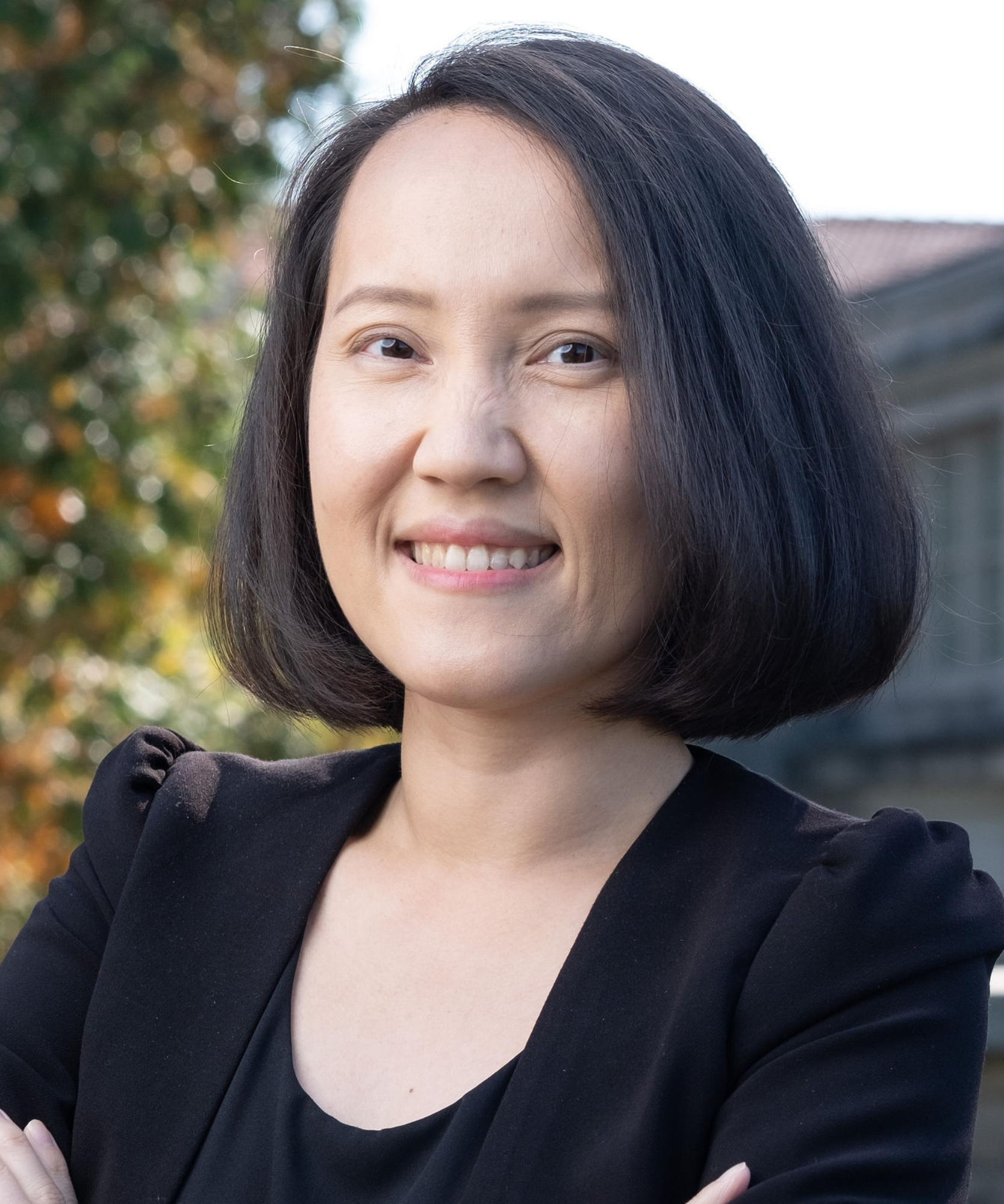
Disaggregating Racial Data: How Studying Ethnic Subgroups Can Improve Research
A graduate student from the University of Wisconsin–Madison is pushing for the disaggregation of data in research to better understand how individuals from different ethnic subgroups are represented as research participants and as researchers. Kao Lee Yang began writing and discussing the topic…
-
Incorporating Cultural Knowledge: Improving Alzheimer’s Disease Research for Veterans and Native Americans
Dr. Cynthia Carlsson and Daniel A. King join the podcast to discuss some of the unique ways that Alzheimer’s disease affects Veterans and Native Americans. Their work at the Wisconsin Alzheimer’s Disease Research Center allows them to connect with people who are at…
-
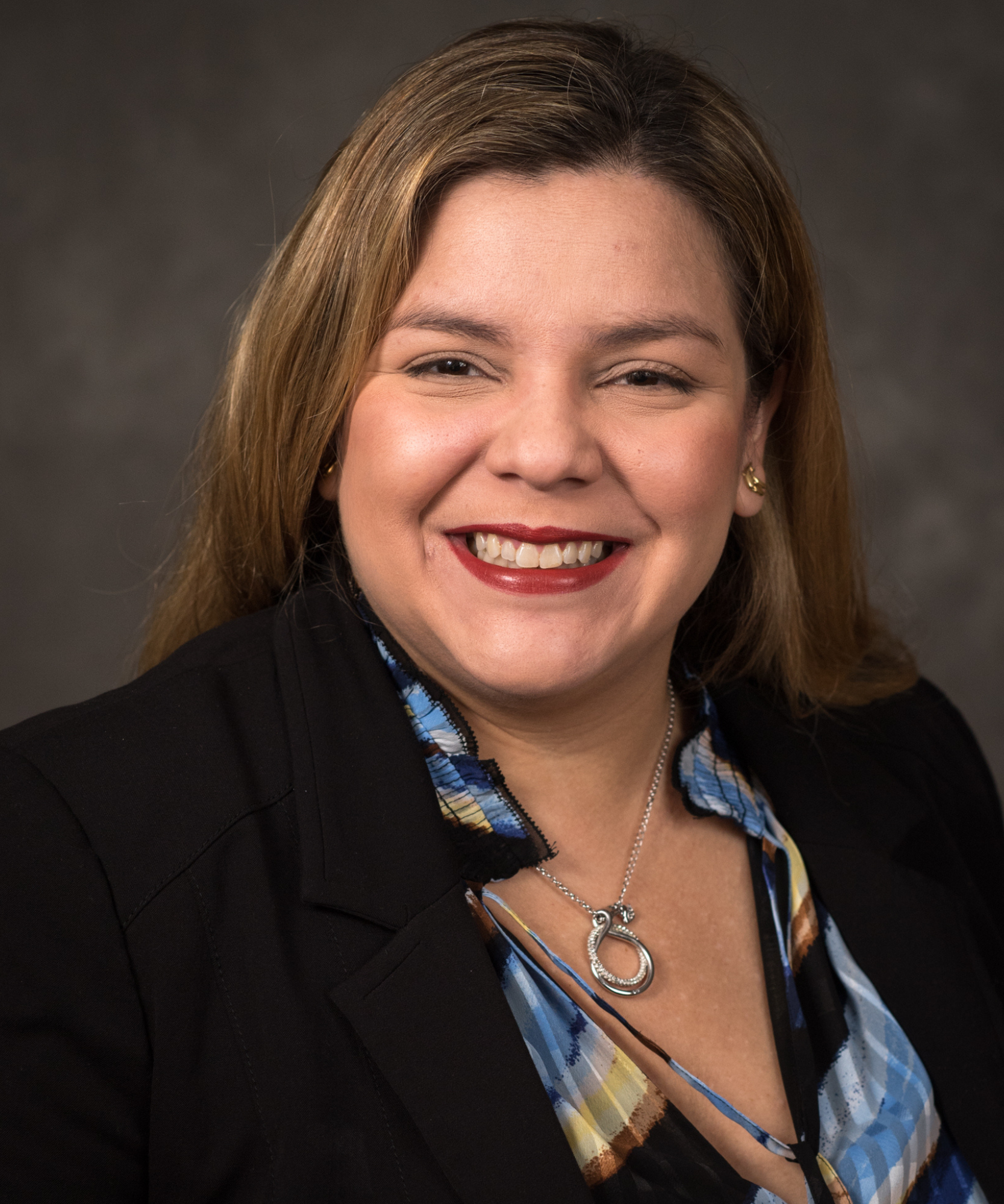
Accessibility and Community: Bringing Alzheimer’s and Dementia Resources to the Latinx Community
UsAgainstAlzheimer’s newly-released tool, BrainGuide, may seem like a simple questionnaire, but the project highlights a growing movement to make Alzheimer’s disease research and resources accessible to a broader range of communities. Released in 2021, BrainGuide is a one-of-a-kind resource that provides information about…
-
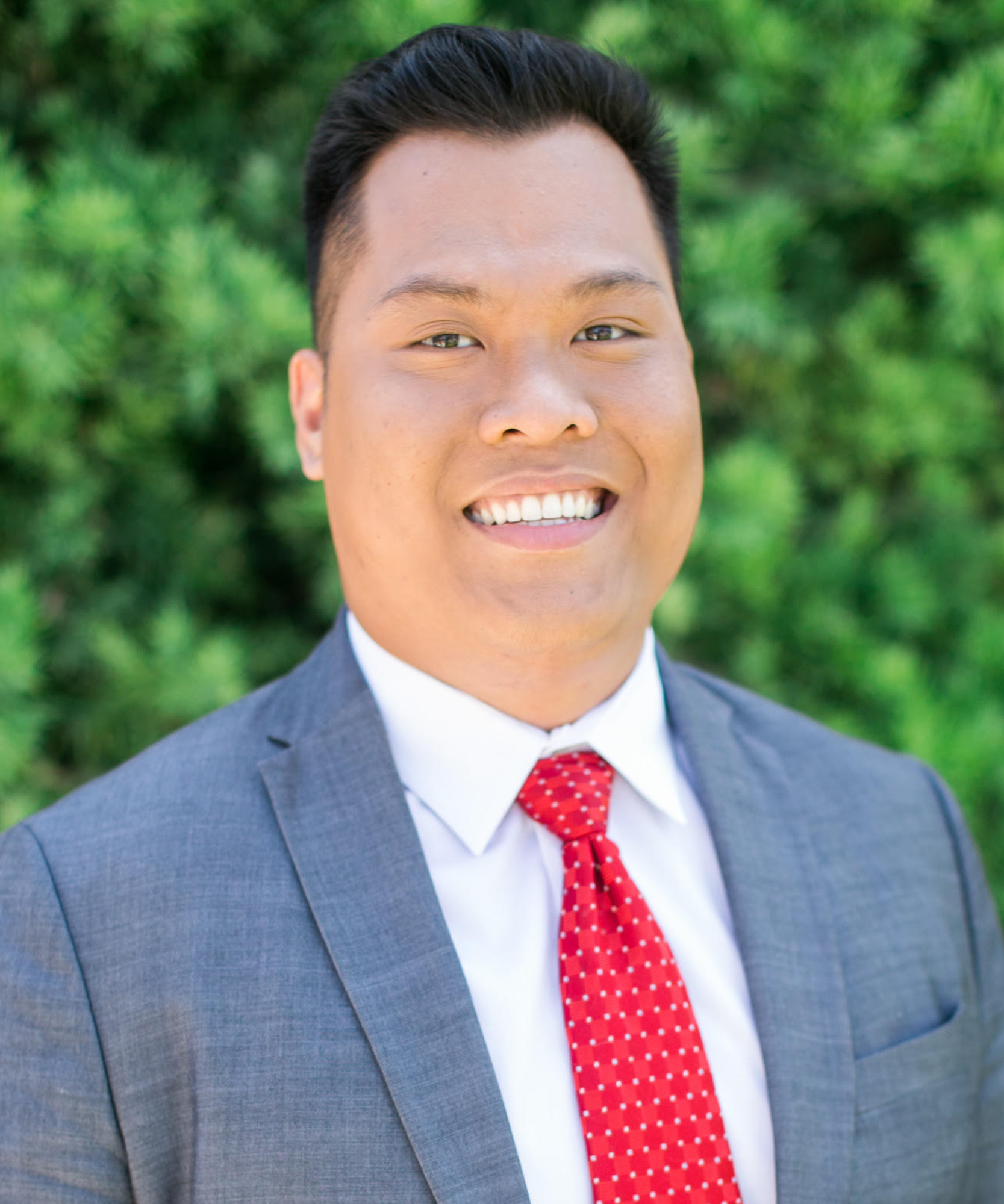
Tackling Stigma and Alzheimer’s Disease within the AAPI Community
Vince Tien and Dr. Dung Trinh join the podcast to discuss the many ways Alzheimer’s disease affects the Asian Americans and Pacific Islanders (AAPI) community. Vince Tien and Dr. Trinh both work as part of 360 Clinic, a multi-specialty medical group focused on…
-
Study Finds Air Pollution a Risk Factor for Alzheimer’s Disease
Researchers at the University of California, San Francisco found that among older adults with cognitive impairment, the greater the air pollution in their neighborhood, the higher the likelihood of the presence of amyloid plaques in their brain. Lead researcher Leonardo Iaccarino, PhD, details his work examining air pollution…
-
Sex Differences in Alzheimer’s Disease
Almost two-thirds of Americans with Alzheimer’s disease are women. In the Alzheimer’s disease research field, there is an interest in understanding the sex-specific differences in the risk and development of this disease. Dr. Michelle Mielke joins to discuss some of these differences as…
-

Neighborhoods and Neurons: Study Finds Association between Neighborhood Disadvantage and Alzheimer’s Disease-related Brain Changes
A recent study from researchers at the University of Wisconsin School of Medicine and Public Health found that people who lived in the most disadvantaged neighborhoods were about twice as likely to have Alzheimer’s disease-related brain changes at autopsy than people who lived…
-
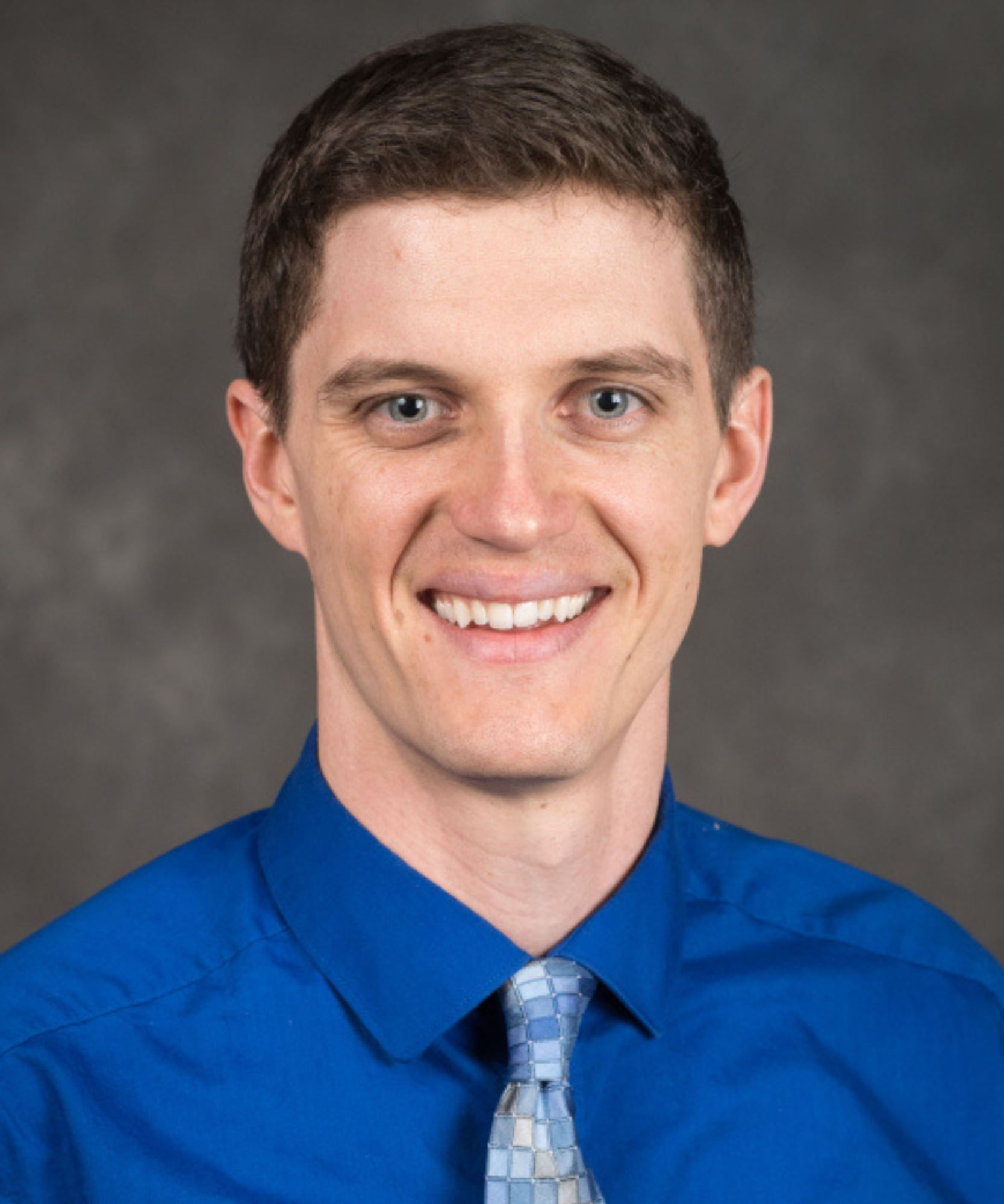
Zip Codes Are More than a Number: Study Finds Link between Neighborhoods and Memory-related Brain Structures
A recent study showed that research participants in the most highly disadvantaged neighborhoods had smaller hippocampal areas compared to research participants in more advantaged neighborhoods. The study’s first author explains the results and the tools researchers used to measure neighborhood disadvantage. Guest: Jack Hunt, PhD,…
-
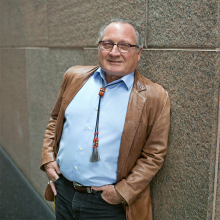
Considerations for Caregivers in Indian Country
Dr. J. Neil Henderson is an expert on diabetes and dementia, as well as creating culturally specific caregiver training programs for people who care for American Indian elders. Dr. Henderson, who is Oklahoma Choctaw, discusses cultural influences on caregiving and his work in…
-
Battling Health Disparities in Aging Research and Care
Dr. Carl Hill joins the podcast to discuss research taking place around the country that works to improve health care and access for elders in diverse racial, ethnic and socioeconomic groups. Guest: Carl Hill, PhD, MPH, Director, Office of Special Populations, National Institute…
-
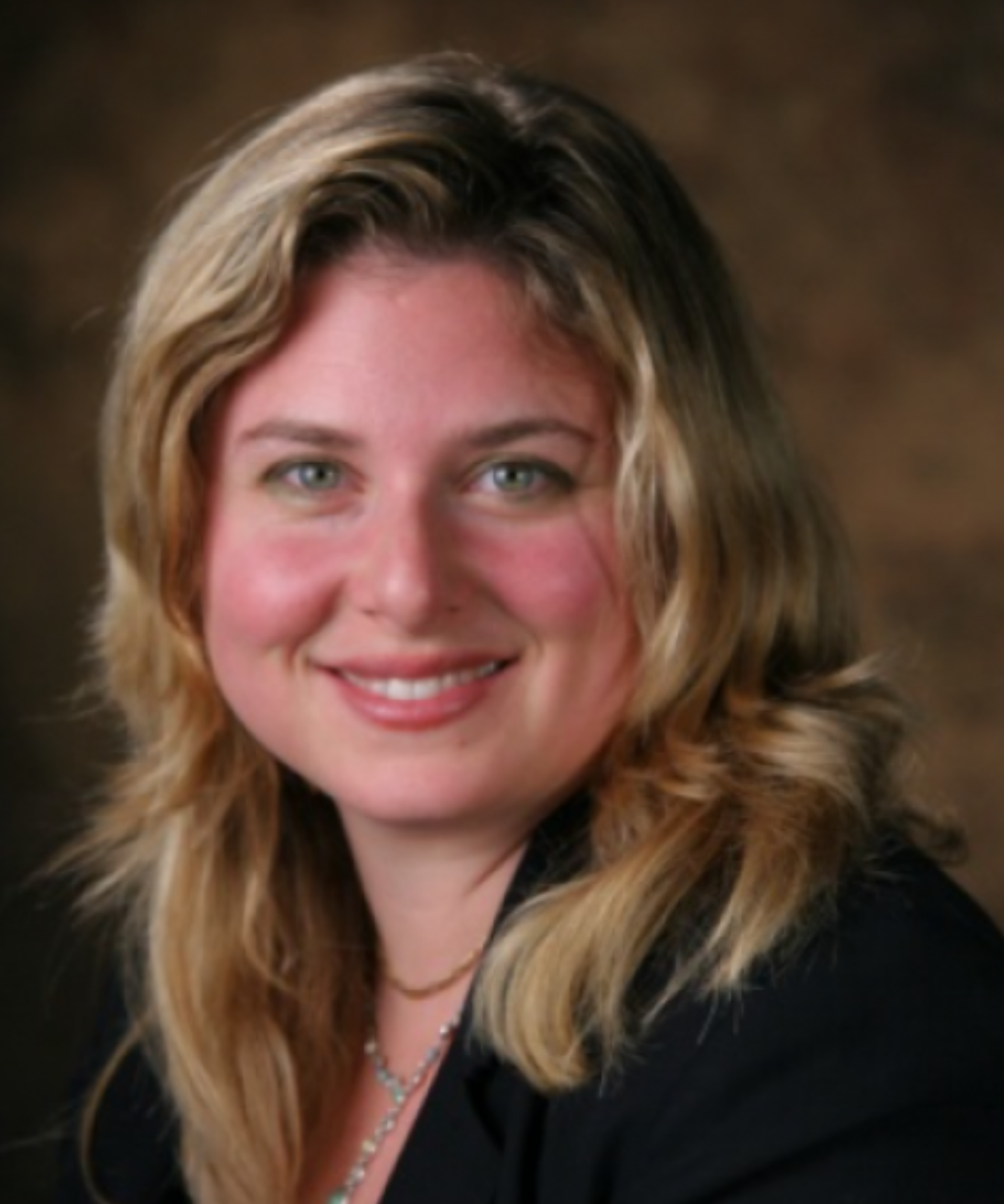
What Population Research Can Tell Us about Alzheimer’s Disease Risk
Dr. Rachel Whitmer details how social determinants of health can lead to an elevated risk for dementia and shares what she has learned about modifiable risk factors and how they affect brain health. Guest: Dr. Rachel Whitmer, PhD, UC Davis Department of Public Health Sciences…
-
Alzheimer’s Disease Risk Is High in People with Down Syndrome
With the dramatic increase in life expectancy among people with Down syndrome over recent decades, it has been observed they develop Alzheimer’s disease at a much younger age and at a much higher incidence than the general population. Our guest, an expert on…
-
The Effects of Hormone Replacement Therapy on Alzheimer’s Disease
How does hormone replacement therapy affect a woman’s risk for developing Alzheimer’s disease? Dr. Carey Gleason, a researcher at the Wisconsin Alzheimer’s Disease Research Center, joins us to offer her insight on menopausal hormone therapy and the many factors patients and their physicians…
-

Gender Differences in Alzheimer’s Disease
In this episode, we’re fortunate enough to be joined by Dr. Sanjay Asthana, the director and founder of the Wisconsin Alzheimer’s Disease Research Center. Dr. Asthana has published extensive research in the field of hormones and brain health and will be discussing some of…