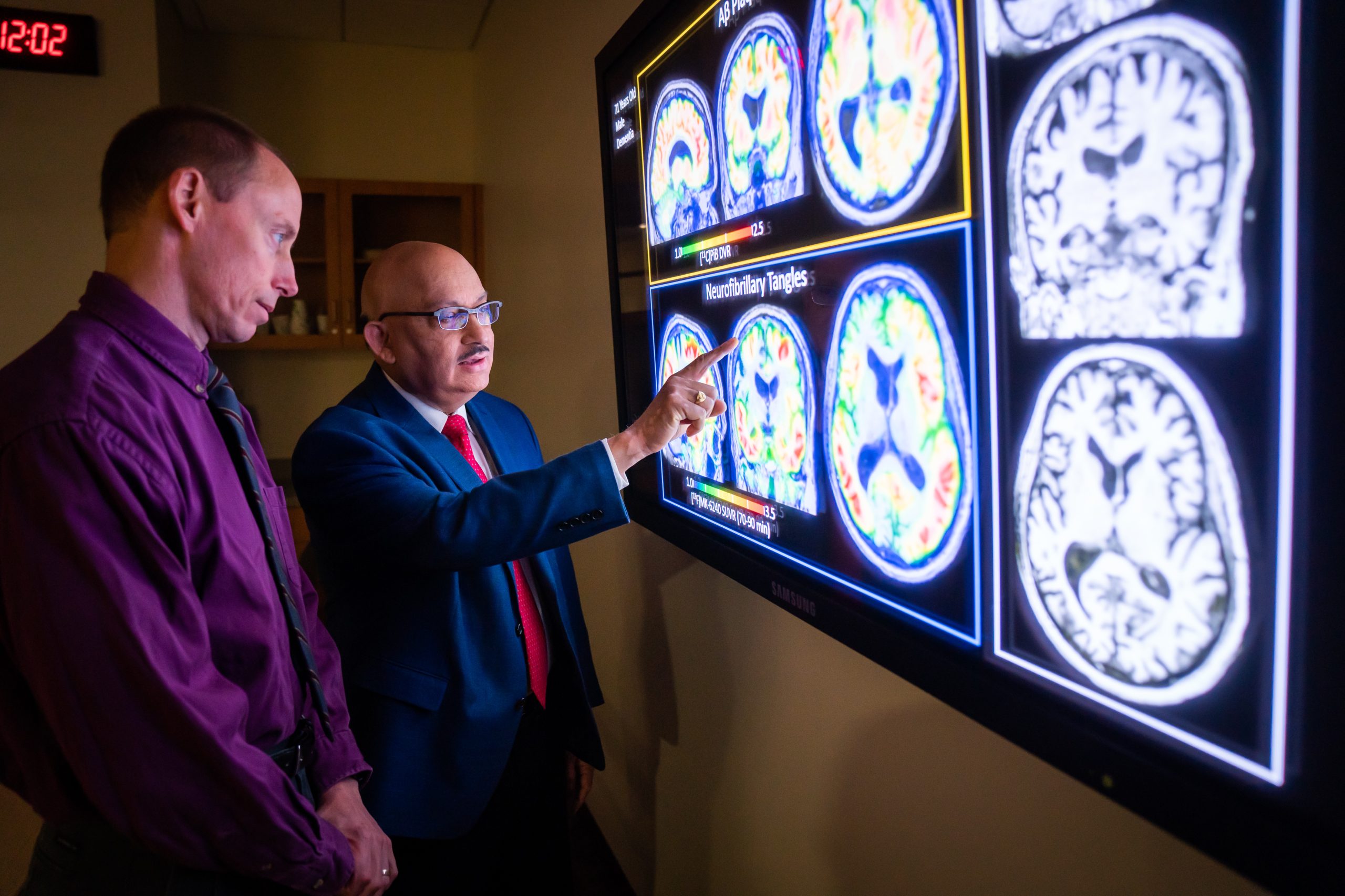
Risk, Diagnosis and Early Detection Episodes
Listen to the latest news in dementia diagnosis and early detection strategies from experts in the field.
“We strongly encourage people to come in early. I know some patients will say, ‘Well, what if it’s nothing? Then I’ll feel bad that I wasted their time or wasted my own time.’ But we always say it’s much better to come in early than to sit at home and wonder, is this something of concern?”
-
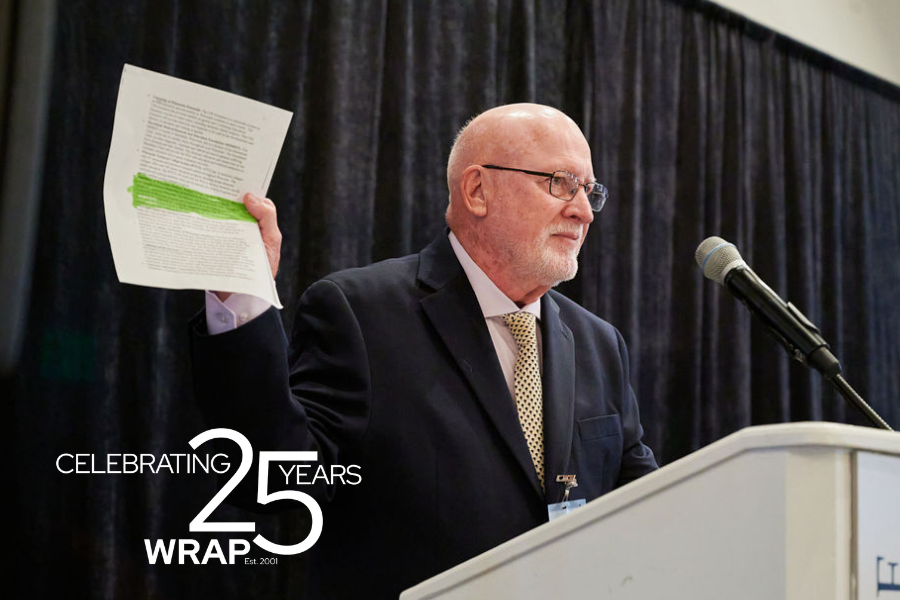
Reflecting on 25 Years of the Wisconsin Registry for Alzheimer’s Prevention
Twenty-five years ago, a single participant enrolled in what would become the Wisconsin Registry for Alzheimer’s Prevention (WRAP), now one of the largest and longest-running studies of Alzheimer’s risk in the world. To celebrate this milestone, we’re joined by Dr. Mark Sager,…
-

Taking a Deep Dive into Subjective Cognitive Decline
Dr. Jessen returns to the podcast to take a deeper dive into subjective cognitive decline (SCD). Aiming to cover everything relating to SCD, Dr. Jessen shares insights in prognosis, risk factors and how SCD should be addressed in research and clinical practice. …
-
Defining Subjective Cognitive Decline
Subjective cognitive decline (SCD) can be one of the earliest noticeable signs of Alzheimer’s disease, yet SCD is not yet fully understood. To help us understand more, Dr. Frank Jessen, an expert in the field, joins the podcast to discuss how SCD…
-
SPRINT to a Healthy Mind: How Blood Pressure Control Affects Brain Health and Dementia Risk
Geriatrician Dr. Mark Supiano joins the podcast to discuss the connection between heart and brain health. Citing multiple clinical trials, he breaks down what these studies and their findings mean for blood pressure management’s effect on cognitive decline and how they directly…
-

New Study Examines the Effects of Food Insecurity on Dementia Risk
The latest Household Food Security report estimated that 13.7% of U.S. households experienced food insecurity in 2024. This lack of access to a nutritious diet can significantly affect health, so how does it then impact older adults’ health and their risk for cognitive impairment?…
-
The Importance of Early Dementia Detection and Diagnosis
Many adults are diagnosed with dementia at later stages or not diagnosed at all, despite how critical early detection is. Why is this the case? Dr. Chin discusses a recent article that highlights some key reasons for this trend and shares an…
-

On the Pulse: How Resting Heart Rate Improves a Dementia Risk Score’s Accuracy
What if your heartbeat could help determine your dementia risk? The CAIDE dementia risk score has long helped clinicians estimate midlife risk for dementia using cardiovascular health factors, but its accuracy hasn’t been equal across populations. New research suggests that integrating resting…
-

Family Ties: How Family History Affects Alzheimer’s Risk
How important is one’s family history when determining Alzheimer’s risk? Returning guests Drs. Jessica Langbaum and Sterling Johnson discuss the latest research on family history and genetic risk factors and share their perspectives on the topic, specifically focusing on the role of…
-

Talking about Tau: The Role of Tau PET Scans in Alzheimer’s Research and Care
Early detection is a top priority in the field of Alzheimer’s research, and one indicator of Alzheimer’s disease is the buildup of tau in the brain. What is tau, though? How can we detect this protein, and what can it tell us…
-
What Now? Next Steps After Receiving an MCI Diagnosis
What exactly does a mild cognitive impairment (MCI) diagnosis mean, and what should you do after receiving one? Hearing this diagnosis from a doctor can bring up a lot of emotions and questions for individuals and family members. Jennifer McAlister joins Dementia Matters to…
-

Could AI Identify Alzheimer’s Risk Factors from Electronic Health Records?
With the recent surge in artificial intelligence and machine learning technology, one of the most exciting fields it could revolutionize is health care and, more specifically, the field of cognitive care and research. Dr. Marina Sirota and Alice Tang join the podcast…
-

The Future of Fluid Biomarkers for Alzheimer’s Disease and Related Dementias
The field of biomarkers is constantly evolving, leading to developments in diagnosing and treating different kinds of dementia, but what exactly are biomarkers and how has our understanding of these measures changed over time? Dr. Henrik Zetterberg joins Dementia Matters to talk…
-

Taking a Closer Look at Cognitive Decline and Preclinical Alzheimer’s Disease
Dr. Reisa Sperling returns for another episode of Dementia Matters. After covering her research focused on preclinical Alzheimer’s disease in part one, Dr. Sperling dives deeper into the different factors that can impact cognitive decline and early-stage Alzheimer’s disease and how clinical trials…
-
Defining and Addressing Preclinical Alzheimer’s Disease
What if there was a way to detect Alzheimer’s disease before clinical signs and symptoms even appeared? Dr. Reisa Sperling joins Dementia Matters for a two-part series covering her research on detecting and treating Alzheimer’s disease at the earliest possible stage, known…
-

Predictive Personalities: How Personality Traits Influence Dementia Risk
While genetics and lifestyle can influence one’s risk of developing Alzheimer’s disease, other unexpected factors can shift the possibility. One of these factors is personality. Dr. Emorie Beck joins Dementia Matters to share her research on the link between personality and Alzheimer’s…
-

REVEALing APOE Results: Making Genetic Disclosures in Alzheimer’s Research
On this episode of Dementia Matters, Dr. Scott Roberts talks about disclosing genetic test results for APOE, a gene that can increase one’s likelihood of developing Alzheimer’s disease. While this information can be concerning, Dr. Roberts shares that it can empower individuals…
-

Listen Up! The Connections Between Hearing Loss, Hearing Interventions and Cognitive Decline
Hearing loss affects roughly 15.5% of Americans 20 years and older. While the majority of these individuals experience mild hearing loss, the prevalence and severity of hearing loss increases with age. What does this sensory change mean for dementia risk, and can this…
-
Do Non-Medicinal Interventions Reduce Dementia Risk? Studies are Inconclusive, Here’s Why
In 2017, the National Academies of Sciences, Engineering, and Medicine published a report showing promising but inconclusive evidence suggesting that interventions like cognitive training, blood pressure control and increased physical activity reduce a person’s risk for dementia, but what does the research…
-

The Impact of Social Isolation on Dementia Risk in Older Adults
In May 2023, the U.S. Surgeon General, Dr. Vivek Murthy, released an advisory calling attention to the public health crisis of loneliness and social isolation in the U.S. With this widespread issue affecting such a broad population, how does social isolation impact…
-

Study Shows APOE Gene Affects Hispanic Populations’ Risk of Cognitive Decline Differently to Non-Hispanic Populations
The APOE gene is recognized as a significant genetic risk factor for cognitive decline, with different alleles, like APOE e2, being seen as protective against decline and others, like APOE e4, indicating an increased risk for cognitive decline. However, new studies are…
-
Looking Toward the Future: How Preclinical Alzheimer’s Disease Biomarker Disclosures Impact Society
The field of biomarkers is advancing quickly, allowing preclinical Alzheimer’s disease to be identified earlier and earlier in a person’s life. As individuals learn they are at risk for Alzheimer’s years or even decades before experiencing cognitive decline, what does this mean…
-
National Efforts To Standardize Brain Scan Data For More Accurate Alzheimer’s Risk Predictions
Dementia Matters Special Series: The National Strategy for Alzheimer’s Disease Data and Research Part 4 Brain imaging is a key tool in Alzheimer’s disease research and diagnoses, allowing scientists to see changes in the brain years, even decades, before an individual experiences…
-
Update on Blood Tests for Alzheimer’s Disease
Research in the field of fluid biomarkers is leading to new developments in Alzheimer’s disease identification, including new tests that can predict Alzheimer’s based on biomarkers in blood. Ahead of his keynote address as part of Alzheimer’s Disease & Related Dementias Research…
-

Aging Behind the Wheel: How Driving Behavior Can Identify Preclinical Alzheimer’s Disease
Dementia impacts a person’s ability to complete day-to-day activities like familiar tasks at work or at home. What if we could identify these changes in everyday behaviors early enough to identify preclinical Alzheimer’s disease? That’s what Dr. Sayeh Bayat, an assistant professor…
-
Research Suggests Financial Problems an Early Sign of Alzheimer’s Disease
In a recent study, health economist Lauren Nicholas, PhD, found older adults who go on to be diagnosed with dementia are more likely to miss payments on bills as early as six years before a diagnosis. Dr. Nicholas joins the podcast to discuss…
-

Update on Blood Tests for Predicting Alzheimer’s Disease
Recent developments have introduced a blood-based test that could predict Alzheimer’s disease, with more of these tests currently in development. Dr. Sterling Johnson joins the podcast to discuss the significance and accuracy of these blood tests, as well as the impact it…
-
Benefits of an Early Alzheimer’s Disease Diagnosis
For individuals concerned with memory loss, the first few steps for screening and diagnosis can be the most intimidating. Dr. Cynthia Carlsson discusses recent progress in Alzheimer’s disease research, health disparities some groups face with the disease, and advice for individuals and…
-
Alzheimer’s Prevention Initiative investigates genetic risk of Alzheimer’s disease
Research data collected from participants around the world has grown our understanding of genetic risk for Alzheimer’s disease. Guest Jessica Langbaum, PhD, is the co-director of the Alzheimer’s Prevention Initiative at Banner Alzheimer’s Institute, which conducts clinical trials in people at high risk for developing Alzheimer’s disease.…
-

Predicting Risk for Alzheimer’s Disease Today and Tomorrow
This episode offers an overview of the current tools doctors use to examine Alzheimer’s disease risk in their patients, as well as new techniques in development. Our guest discusses the science behind risk testing for dementia, as well as the potential for…
-
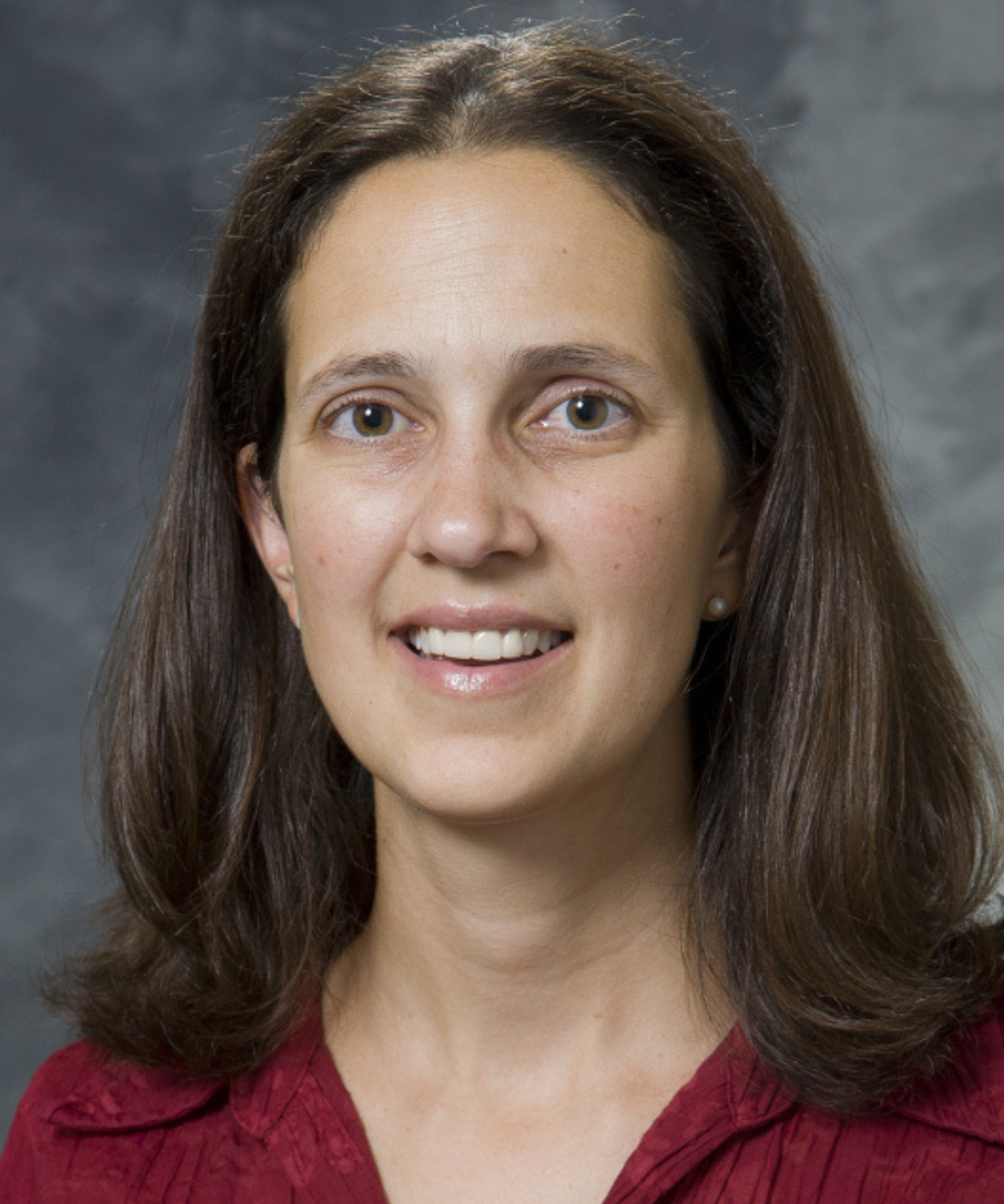
DNA Is Not Your Destiny: Genetics and Alzheimer’s Disease Risk
This episode explores genetic risk factors for early- and late-onset Alzheimer’s disease. Host Nathaniel Chin and guest Corinne Engelman discuss the research looking into genetic risk for Alzheimer’s disease and the uncertainty that comes with genetic testing. Guest: Corinne Engelman, MSHP, PhD,…
-

Bonus Episode: Current Research into Frontotemporal Dementia
In this bonus episode, we continue our conversation with Dr. Howie Rosen on Frontotemporal Dementia (FTD). On last week’s episode, Dr. Rosen spoke on the genetic risk factors, trajectories and family caregiving experiences of FTD. Now, our conversation turns to the research…
-
Understanding and Managing Frontotemporal Dementia
Frontotemporal dementia (FTD) is a type of dementia caused by degeneration in the temporal and frontal lobes of the brain. Our guest discusses the symptoms, risk factors, prevalence, and course of the disease, along with information on how a doctor diagnoses FTD…
-
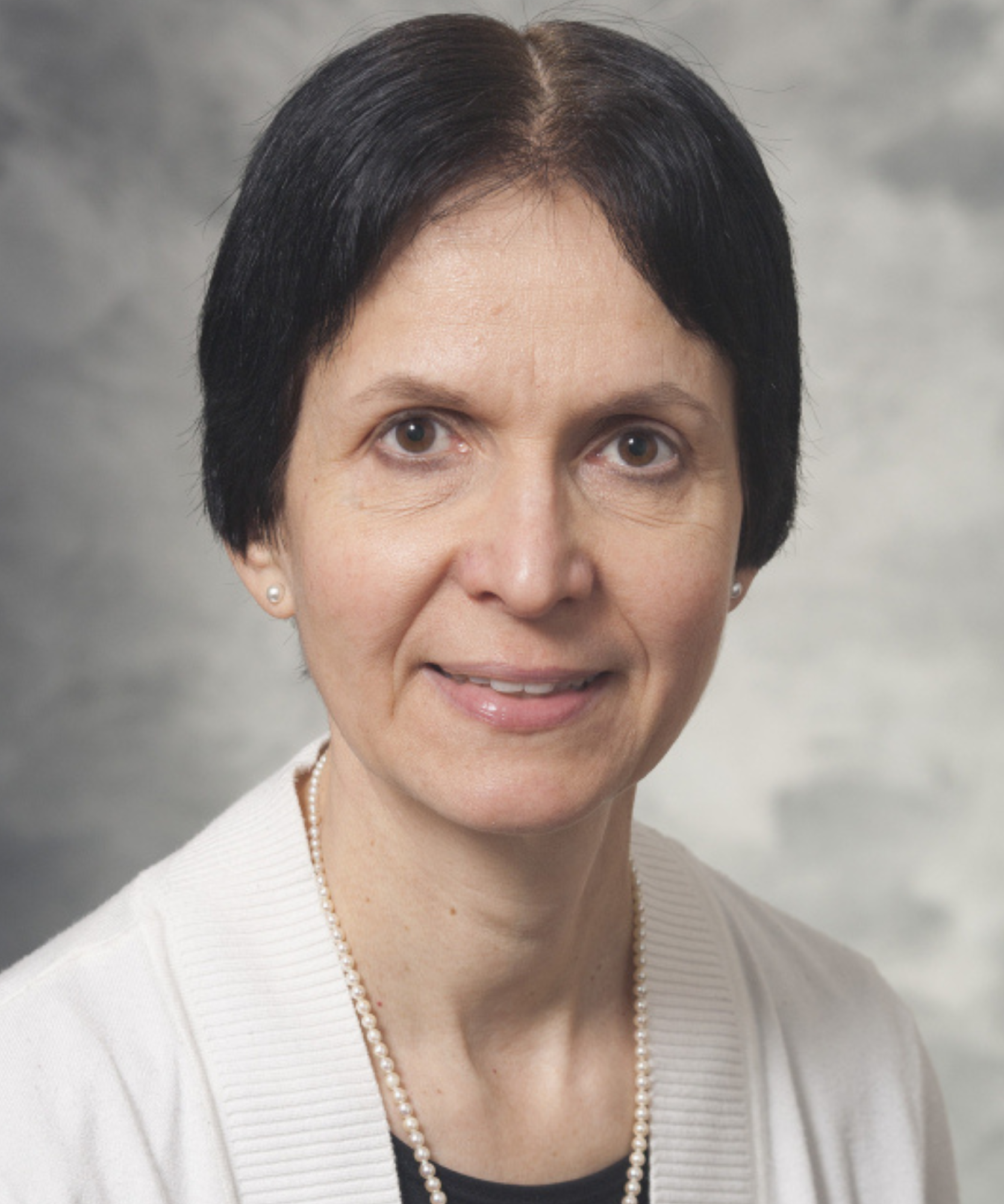
Early-onset Alzheimer’s Disease: What to Know and What to Expect
People diagnosed with Alzheimer’s disease before the age of 65 are said to have early-onset Alzheimer’s disease. While this diagnosis is rare, the condition is very serious for the patient and their loved ones. Our guest helps define the disease and its…
-
The Power of Disclosure: How Explaining Risk of Alzheimer’s Disease Impacts Life Afterward
In the advancing field of dementia research, the rise in genetic and biomarker testing for Alzheimer’s disease creates a need for conversations around how to disclose disease risk to research participants who may be years away from experiencing the symptoms of the…
-
How Language and Conversation Can Help Detect Dementia
On this week’s episode, Dr. Kimberly Mueller helps explain connected language and how studying conversations can help detect early signs of cognitive impairment. Guest: Dr. Kimberly Mueller, Assistant Professor Department of Communications Sciences and Disorders, University of Wisconsin-Madison
-
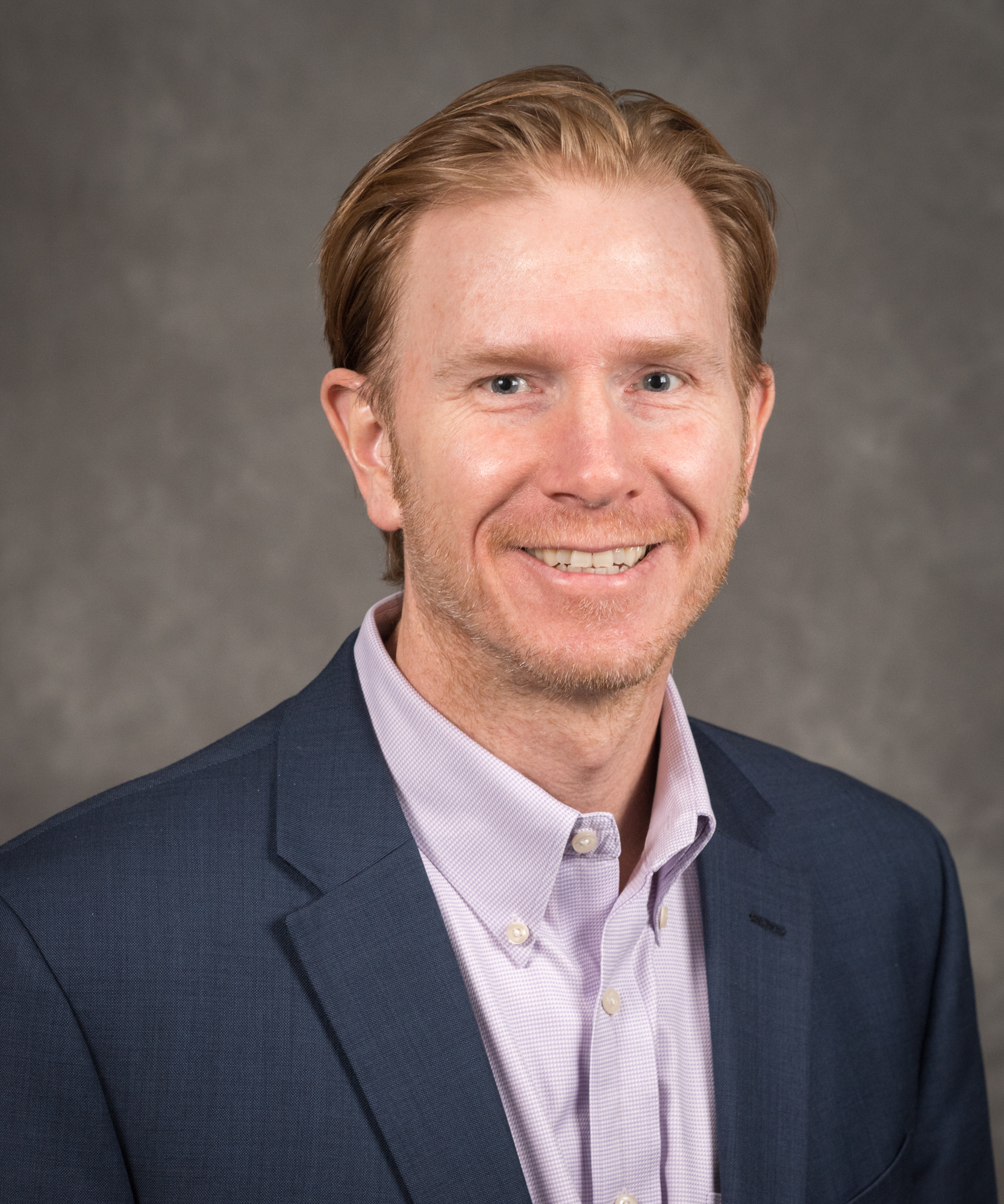
Key to Alzheimer’s Disease Cure May Lie in Early Detection
Research has shown Alzheimer’s disease can be present in the brain decades before symptoms arise. Dr. James Lah discusses how he believes Alzheimer’s disease prevention should start in young and middle adulthood and shares with us what his vision of a cure might look like. Guest: Dr. James…
-
The Potential for Predicting Alzheimer’s Disease Through a Blood Test
Dr. Howard Federoff, a ground-breaking researcher of brain disorders, discusses his research relating to predicting Alzheimer’s disease through a blood test and shares his lifestyle habits for brain health. Guest: Dr. Howard Federoff, MD, PhD, Researcher and Professor of Neurology at University…
-
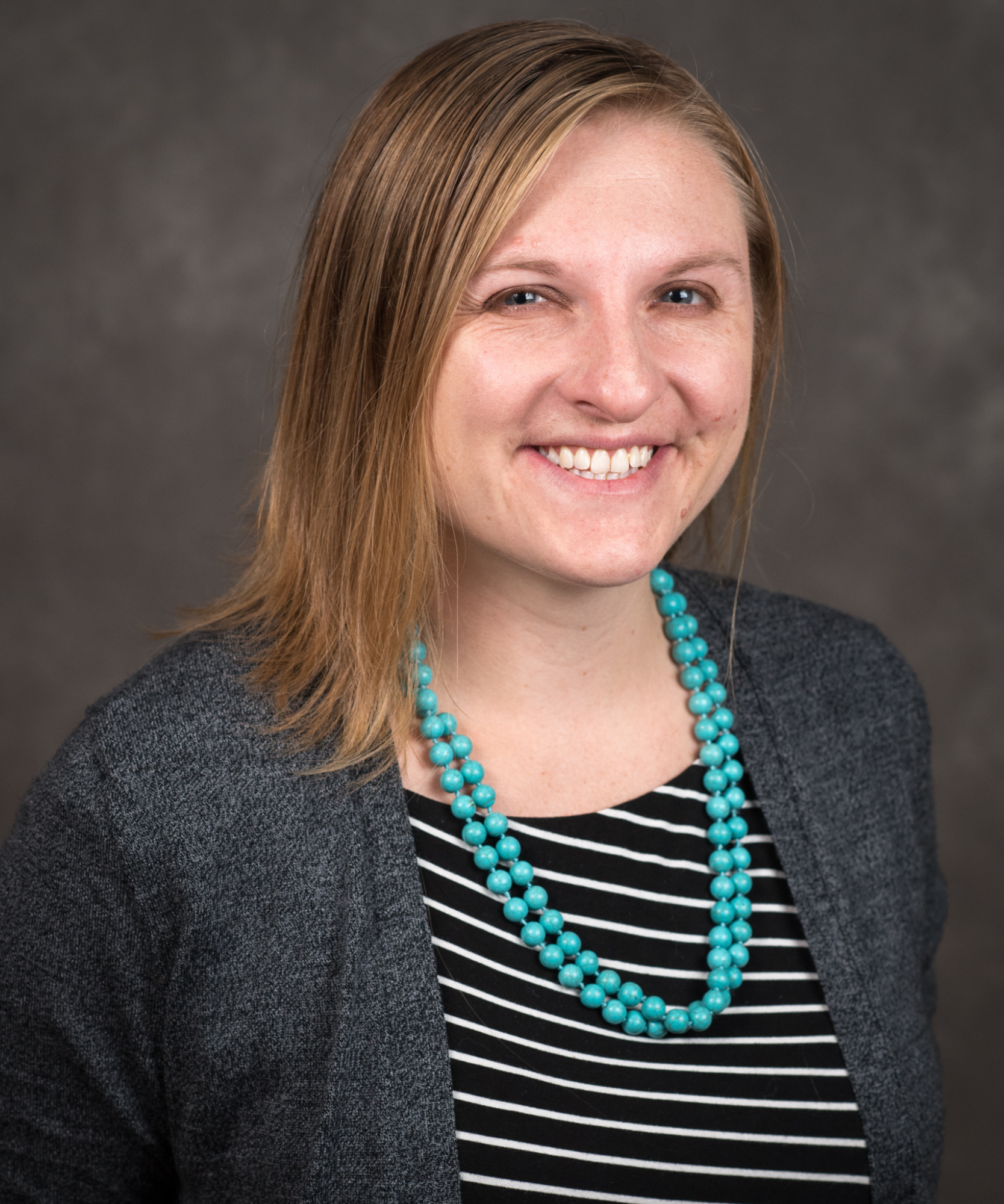
How Biomarkers and Brain Imaging Are Used to Detect Early Stages of Alzheimer’s Disease
Alzheimer’s disease-related changes occur in the brain more than 15 years before a person experiences the memory and personality changes associated with the disease. By studying the disease in its earliest stages, scientists hope to find treatments that can prevent or delay…
-
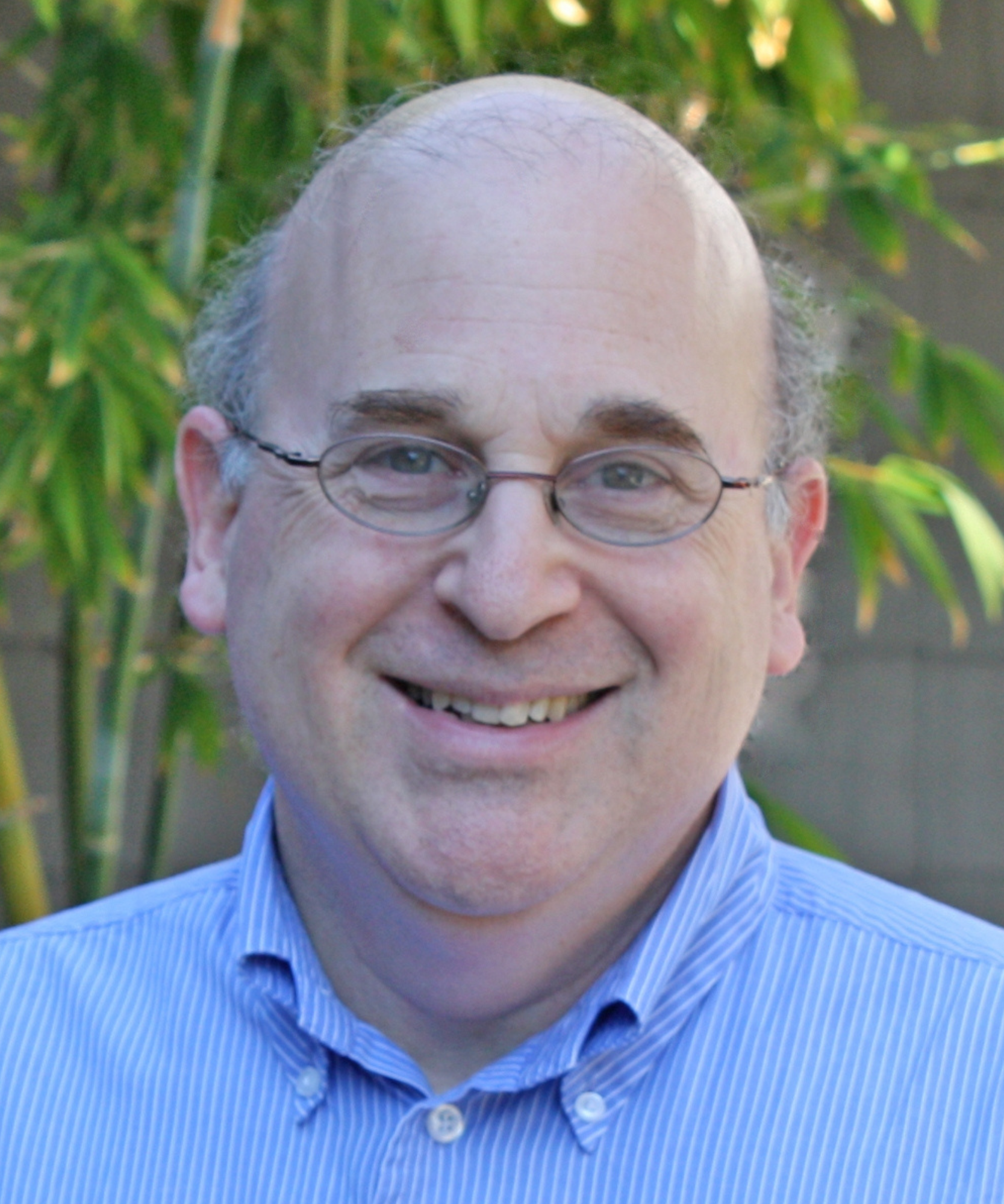
Obtaining a Memory Assessment and the Role of a Neuropsychologist in Memory Care
The thought of going in for a memory evaluation can be intimidating. Learn more about what you can expect with the evaluation process and get an idea of which behaviors are more concerning than others. In addition, learn why online assessments fall…
-
Early Diagnosis Key to Alzheimer’s Disease Treatment
Recent research shows Alzheimer’s disease can be present up to two decades before symptoms occur; a phenomenon known as preclinical Alzheimer’s disease. Comparing the disease to a burning building, some scientists believe treatment needs to happen well before significant foundational damage occurs. Guest: Paul Aisen, MD, Professor…